
how-to
7 Questions to Ask Your Doctor About Red Light Therapy
By Editorial Team , Content Writer · · 12 min read
Quick Summary
Ask your doctor about your medical history, current medications, and whether red light therapy fits your specific concern. Bring a written list of questions and your medication list. Red light therapy is not regulated like prescription drugs, so your doctor's view of the evidence for your condition matters. You do not need a doctor to book a NovoTHOR consultation.
- Bring a list of current medications and supplements, including doses and how often you take them.
- Ask whether the evidence for your condition is established, preliminary, or mostly anecdotal.
- Review medications that can increase light sensitivity before starting sessions.
- Agree on a trial period, outcome measures, and a review date before your first session.
- Call your insurer before booking to learn what coverage applies.
Table of Contents
- Why Talk to Your Doctor Before Starting Red Light Therapy
- What to Bring to Your Appointment: A Preparation Checklist
- Questions to Ask Your Doctor About Red Light Therapy
- Red Light Therapy and Medications: What to Review Together
- How Many Red Light Therapy Sessions Are Needed and What to Expect
- Insurance, Cost, and Where Red Light Therapy Fits in Your Care
- Book Your Consultation with NovoTHOR Whole Body Red Light Therapy
- Frequently Asked Questions
Last Updated: November 5, 2026
Why Talk to Your Doctor Before Starting Red Light Therapy
Thinking about red light therapy? Most people start with a simple question: is this safe for me? A good conversation with your doctor is the best place to find that answer. At Healing Light, Whole Body Red Light Therapy, we believe every client should talk with their own physician about their health history before the first session.
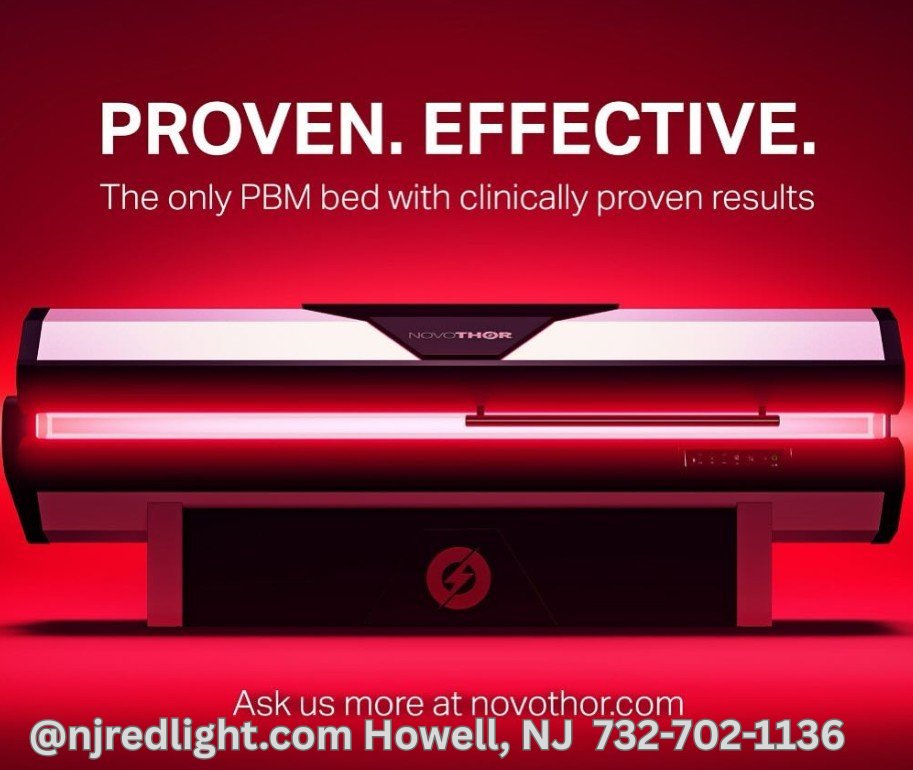
Red light therapy is not regulated the way prescription drugs are, so the claims you see online vary widely. That is exactly why a direct talk with a doctor matters. Your doctor knows your medical history, your medications, and your goals, and can help you think them through.
Here is the good news: you do not need a doctor to book a consultation or operate the NovoTHOR whole body red light therapy bed. Our system is FDA-cleared and medical grade. Still, a conversation with your physician is a smart step, especially if you have a health condition or take medication.
What to Bring to Your Appointment: A Preparation Checklist
Preparing a short list before your appointment helps you get the most from the visit. Doctors have limited time, so clear notes make a real difference.
Bring the following:
- A list of current medications and supplements, including doses and how often you take them
- Your main health concerns, written in your own words
- Past treatments you have tried for the same concern, and what happened
- Any devices or implants you have, such as a pacemaker or metal hardware
- Questions you wrote down in advance, so you do not forget them under pressure
Write down anything you are unsure about. Your doctor would rather hear a question than see you guess.
Questions to Ask Your Doctor About Red Light Therapy
A single list of questions rarely fits every situation. What you ask about a skin concern is different from what you ask about knee pain or about using an at-home device between sessions. Below are short scripts organized by scenario, plus a way to sort strong evidence from marketing claims so the conversation stays grounded.
If Your Concern Is Skin
Results from red light and near-infrared light depend on the device, the condition, and your skin type. Ask:
- For my specific skin concern, is there good evidence that red light therapy helps, or is the evidence still early?
- Given my skin type and any history of sun damage or cold sores, are there areas I should avoid or protect?
- If I use an at-home device between sessions, how do I keep from overdoing it?
- What skin changes would be a sign to stop and check back with you?
If Your Concern Is Pain, Joints, or Injury Recovery
This is where people most often arrive with several treatments already in progress. Ask:
- Is whole body red light therapy with red light and infrared light a reasonable add-on to my current plan, or should I hold off until a specific phase of recovery?
- Are there areas, a recent surgical site, an acute injury, metal hardware, where light exposure should be limited?
- How would we tell whether it is helping versus the natural healing timeline?
- Should I pause physical therapy or other treatments around sessions, or can they run in parallel?
If You Are Considering an At-Home Device
At-home devices vary enormously in power and wavelength, and the field is not regulated the way prescription drugs are, so claims can outrun the science. Ask:
- What should I look for in a device so it is not a waste of money?
- How does a home device compare with a clinician-supervised session in a whole body bed?
- Is there any risk in combining home use with sessions elsewhere?
How to Sort the Evidence for Your Specific Condition
Evidence is not uniform across uses. Evidence varies across uses, so it helps to ask your doctor how strong the research is for your specific condition. A practical way to frame it with your doctor:
- Ask whether the evidence for your condition is established, preliminary, or mostly anecdotal.
- Ask whether the studies used a device similar to the one you are considering, a whole body bed delivering both red light and infrared light is not the same as a handheld unit.
- Ask what outcome would count as success, so you are not judging by feel alone.
Watch out: general research on a therapy does not mean it is proven for your particular diagnosis, so separate the two before you commit time and money.
A Note on Regulation and What That Means for Your Questions
Because red light therapy is not regulated the way drugs are, anyone can make claims. That makes your doctor's read on the evidence more valuable, not less. Bring the specific device or service you are considering, for example, a NovoTHOR whole body red light therapy bed that combines red light and infrared light, is FDA-cleared, medical grade, and made in the USA, so your doctor can react to something concrete rather than a general idea. You do not need a doctor to book a consultation or to operate the NovoTHOR bed, but their input on your history is still worth having.
Before your appointment, it helps to know which questions match your situation. The article groups them by scenario.
| Your situation | Ask about | Why it matters |
|---|---|---|
| Skin concern | Strength of evidence for your condition | Evidence is not uniform across uses |
| Pain, joints, or injury recovery | Timing with current treatments and recovery phase | Some areas need limited light exposure |
| Considering an at-home device | Device power and wavelength | Home devices vary enormously |
| Any condition | Whether studies used a similar device | A whole body bed differs from handheld units |
| Any condition | Outcome that counts as success | Avoids judging by feel alone |
Red Light Therapy and Medications: What to Review Together
Medications deserve a close look. Some drugs can change how your skin responds to light. Bring your full list and ask your doctor to review it with you.
Ask about:
- Medications that increase light sensitivity
- Supplements that might interact with your treatment plan
- Whether any of your current medicines should be timed differently around sessions
Never stop or change a prescription without talking to the doctor who prescribed it.
Schedule an Appointment today! →
How Many Red Light Therapy Sessions Are Needed and What to Expect
Red light therapy sessions are cumulative. This is not a one-and-done treatment. The number of sessions depends on your condition, your history, and how your body responds, which is why the plan should be set with a clinician who knows you, not copied from a website.
What you can do is agree on a framework before you start, so the decision to continue, adjust, or stop is based on something other than hope.
Agree on a Trial Period and a Review Date
Before your first session, decide with your doctor how long a fair trial looks for your situation and when you will check in. A common pattern is to set a defined window, review at the end of it, and only then decide whether to continue. Put the review date on the calendar so it does not drift.
Choose Outcome Measures in Advance
Pick two or three things you will actually track, and write them down before you begin. Examples:
- A pain score at a set time of day, recorded the same way each week
- How far you can walk, lift, or move a joint without discomfort
- A photo of a skin area taken under the same lighting
- Sleep quality or morning stiffness, rated on a simple scale
Measuring after the fact invites bias. Deciding the measures first keeps the review honest.
Know the Signs to Reassess or Stop
Ask your doctor up front what would count as a reason to pause: a skin reaction, a new pain, a change in a medication that affects light sensitivity, or simply no measurable change by the review date. Agreeing on stop signals in advance makes it easier to act on them.
Build the Practical Habits Around Sessions
Two habits support the plan. First, being hydrated before your session and after is beneficial, ask your doctor if you need to adjust fluid intake for other health reasons. Second, treat consistency as part of the treatment: missed weeks undercut a cumulative therapy, so schedule sessions the way you would any recurring appointment.
Watch out: judging a cumulative therapy after one or two sessions, or continuing indefinitely without a review date, are the two most common ways people lose track of whether it is working.
Where the NovoTHOR Whole Body Bed Fits
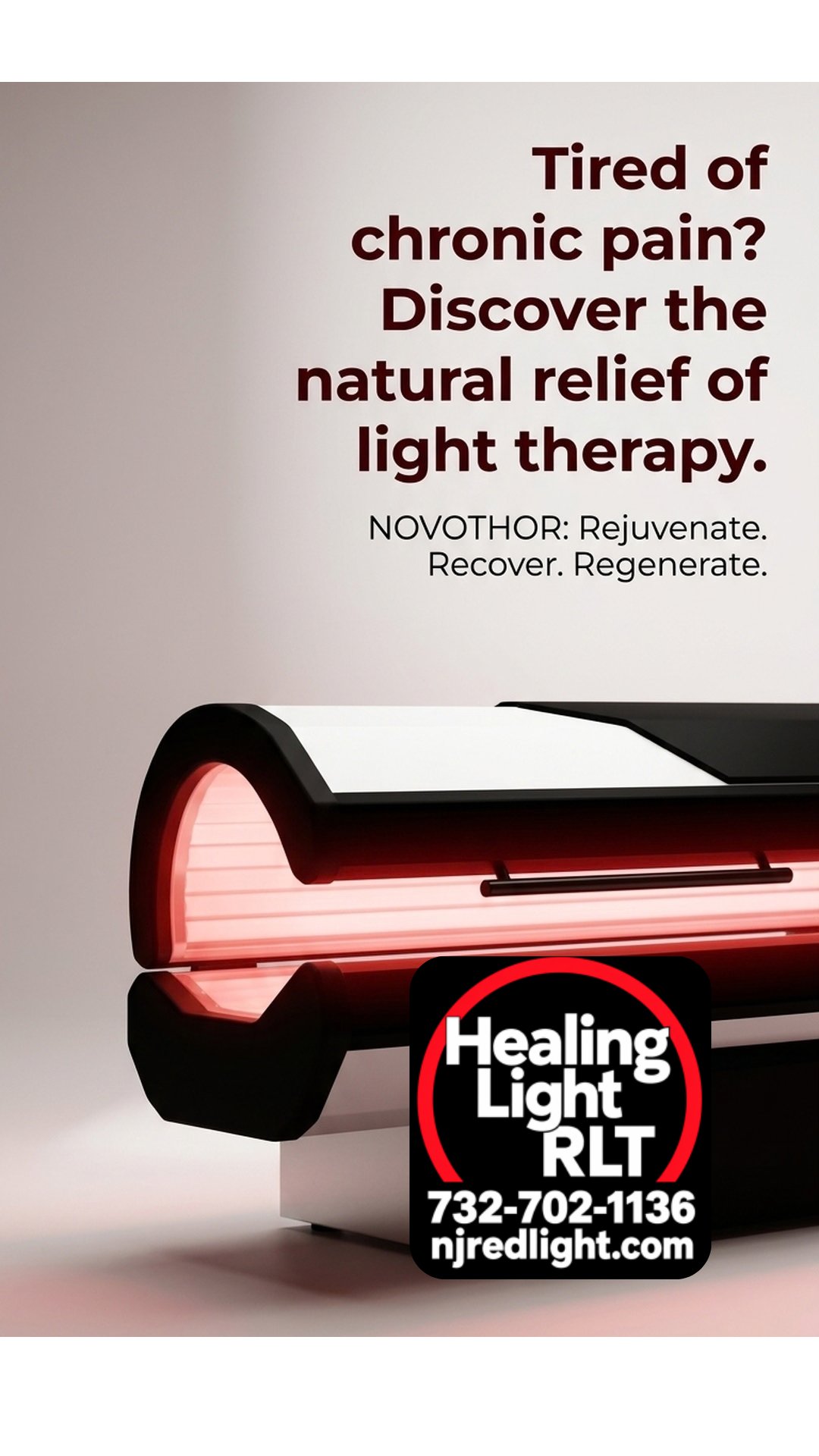
The NovoTHOR whole body red light therapy bed uses a mix of red light and infrared light to cover the entire body. It is FDA-cleared, medical grade, and made in the USA, and it is backed by science. It does not compare to other beds or other red light therapy. You do not need a doctor to book a consultation or to operate the bed, but bringing your physician's input into the plan, especially the review date and outcome measures, makes the trial far more useful. Contact us to make an appointment for a consultation or to book a first visit for $35, and bring your questions and your doctor's guidance with you.
Insurance, Cost, and Where Red Light Therapy Fits in Your Care
Coverage for red light therapy varies by insurer and plan. Call your insurer before booking so you know what to expect. Ask whether your plan covers any part of the service, and get the answer in writing if you can.
Cost is only one part of the decision. Ask your doctor where red light therapy fits within your overall care plan. Our team can explain our current pricing and options when you contact us. You can also book a first visit for $35.
Book Your Consultation with NovoTHOR Whole Body Red Light Therapy
Ready to talk it through? Contact Healing Light, Whole Body Red Light Therapy to make an appointment for a consultation or to book your first visit for $35. You do not need a doctor to book a consultation or to operate the NovoTHOR bed, but you are welcome to bring your physician's input into the conversation.
Our NovoTHOR whole body red light therapy bed uses a mix of red light and infrared light. It is FDA-cleared, medical grade, and made in the USA. Red light therapy sessions build over time, so think of your first visit as the start of a plan, not a single fix.
Visit our website at https://healing-light-rlt-llc.square.site/ to learn more. You can also explore more articles on our blog page for further reading.
Frequently Asked Questions
Do I need a doctor's referral before using whole body red light therapy?
No. You do not need a doctor to book a consultation or to use the NovoTHOR whole body red light bed at Healing Light. The device is FDA approved and medical grade, and a physician referral is not required. Many people still choose to talk with their own doctor first, especially if they take prescription medications, have a chronic condition, or are pregnant. Bringing your health history to a consultation helps the team understand your situation before your first visit.
Can red light therapy interact with my medications?
It can be worth reviewing. Some medications increase light sensitivity, and some people take drugs that affect how the skin responds to light. Share a complete list of your prescriptions, over-the-counter products, and supplements with your doctor and the Healing Light team before starting. Your doctor can tell you whether any of your medications call for extra caution.
How many red light therapy sessions do I need?
Red light therapy works cumulatively, so it is not a one-and-done treatment. Benefits generally build with consistent sessions over time rather than from a single visit. The right schedule depends on your goals and health history, and that is the kind of plan the Healing Light team can help you discuss during a consultation. Staying hydrated before and after each session is also beneficial.
Is red light therapy covered by insurance?
Coverage varies by insurer and plan, and most insurance plans do not cover red light therapy as a standard benefit. Contact your insurance provider directly to ask about your specific policy. Healing Light can explain its pricing and first-visit options, which start at $35 for a first visit, so you can compare costs before deciding.
#redlighttherapy #novothor #longevity #monmouthcountynj #healinglightrlt #wellness #photobiomodulation #medicalgraderedlight
