
ultimate-guide
Does Insurance Cover Red Light Therapy?
By Editorial Team , Content Writer · · 12 min read
Last Updated: November 4, 2026
Quick Summary
Most health insurance plans in the United States do not cover red light therapy, because insurers often classify it as cosmetic, wellness, or investigational rather than standard medical care. Coverage can depend on your diagnosis, documentation, and specific plan language, so call your plan to confirm before booking.
- Insurers generally separate medically necessary treatment from wellness use, and plans usually pay only for the former.
- A clinic describing a treatment as covered does not guarantee your insurer will pay for it.
- Ask member services for the policy language, required documentation, and a written coverage determination.
- Keep an itemized receipt and a letter of medical necessity if you submit a claim to an FSA or HSA.
- Request the denial reason in writing if a claim is denied, since you have the right to appeal.
Table of Contents
- Why Insurance Usually Does Not Cover Red Light Therapy
- Medical Necessity Versus Wellness Use
- Medicare, Medicaid, and Private Plan Coverage
- How Many Red Light Therapy Sessions Are Needed
- Preparing for a Red Light Therapy Session
- NovoThor Whole Body Red Light Therapy Cost and FSA/HSA Options
- Book Your Consultation at Healing Light
- Frequently Asked Questions
Why Insurance Usually Does Not Cover Red Light Therapy
Most health insurance plans in the United States do not cover red light therapy, and that is the short answer many readers are looking for. Red light therapy, also called photobiomodulation, is still classified by many insurers as cosmetic, wellness, or investigational rather than standard medical care. Many people who ask this question have already spent money on physical therapy, injections, and other treatments.
The reason comes down to how insurers decide what counts as a covered benefit. A treatment usually needs established clinical evidence, a recognized indication, and approval as a medical service before a plan will pay for it. Red light therapy is not regulated as a treatment for specific conditions in the way a prescription drug is, so people can make broad claims about it. That is why it is worth separating marketing language from what a plan will actually reimburse.
This does not mean your plan will never pay. Some coverage decisions depend on the diagnosis, the documentation, and the specific plan language. Your best first step is to call the member services number on your card and ask a direct question: does my plan cover red light therapy for my diagnosis, and if so, what documentation is required? Write down the representative's name and a reference number.
Medical Necessity Versus Wellness Use
Insurers draw a sharp line between medical necessity and wellness use. A treatment is medically necessary when a licensed provider documents that it is needed to diagnose or treat a condition, and when it meets accepted standards of care. Wellness use covers things people do to feel better, recover faster, or maintain general health, such as general relaxation, skin appearance, or fitness recovery. Plans generally pay for the first category and not the second.
The same device can fall on either side of that line depending on why and how it is used. A provider who documents a specific condition, a treatment plan, and a measurable goal has a much stronger case than a patient who simply wants to feel good. That is why a conversation with your physician or specialist matters before you assume a claim will be paid.
Watch out: a clinic or device company describing a treatment as "covered" is not the same as your insurer agreeing to pay for it. Always confirm coverage with your plan directly.
Medicare, Medicaid, and Private Plan Coverage
Coverage differs across the major payer types, and the differences matter more than most people expect. Medicare makes coverage decisions through national and local coverage determinations, and it generally pays only for services that are reasonable and necessary for a diagnosed condition. Coverage for red light therapy under Medicare should be confirmed with the official Medicare coverage guidance before assuming any claim will be paid. Medicaid coverage varies by state because each state sets its own benefits within federal rules, so readers should check their own state Medicaid agency. Private employer and individual plans each have their own policy documents, and those documents, not a clinic's statement, control what is covered and what is excluded.
Because the rules differ so much, verify coverage in writing before you assume anything. Use this plan-by-plan checklist when you call member services:
Schedule an Appointment today! →
- Ask whether the provider is in network and whether a referral is required.
- Ask which diagnosis codes and procedure codes the plan would expect for your condition, and whether the plan recognizes photobiomodulation, low-level light therapy, or a cosmetic service code for the same visit.
- Ask whether prior authorization or pre-approval is required, and get the authorization number if one is issued.
- Ask whether the plan treats the service as investigational or experimental for your diagnosis, and request the specific policy language.
- Ask what documentation the plan requires, such as clinical notes, a letter of medical necessity, or prior treatment history.
- Ask for the representative's name, the call reference number, and a written coverage determination sent to you.
Watch out: a clinic or device company describing a treatment as "covered" is not the same as your insurer agreeing to pay. A provider's statement does not guarantee reimbursement, and a verbal answer from member services is not a binding determination. Request the decision in writing.
If a claim is denied, you have the right to appeal. Ask for the denial in writing, the specific reason, and the criteria the plan used. A strong appeal usually includes your provider's clinical notes, a clear statement of medical necessity tied to your diagnosis, any relevant published evidence for your condition, and a record of the treatments you have already tried. Keep copies of everything you send, and note the appeal deadline in your plan documents. If the first appeal is denied, ask whether an external review is available.
For Medicare and Medicaid questions, check the official coverage guidance on the Centers for Medicare and Medicaid Services website or your state Medicaid agency. For employer-sponsored plans, your benefits administrator can pull the Summary of Benefits and Coverage and the exclusions list, which are the two documents most likely to settle the question quickly.
How Many Red Light Therapy Sessions Are Needed
Red light therapy is accumulative, meaning it is not a one-and-done treatment. Benefits, when they occur, tend to build over a series of sessions rather than appearing after a single visit. This matters for both your results and your budget, because a single session is unlikely to show the full picture of how your body responds.
The right number of sessions depends on your goals, your health history, and your provider's assessment, so this article does not give a dosage. Your provider will recommend a plan during your consultation. Before booking, ask how many sessions are included in a starting plan, how often you should attend, and what progress checkpoints they use to decide whether to continue.
Being well hydrated before and after each session is also beneficial, so keep water on hand throughout the process.
Preparing for a Red Light Therapy Session
Good preparation makes a first visit more comfortable and helps you get more from each session. Start by drinking water through the day before your appointment, and keep drinking afterward. Wear loose, comfortable clothing that is easy to remove or adjust. Let your provider know about any medications, skin sensitivities, recent procedures, or medical devices you use, since these can affect whether treatment is appropriate for you.
Bring a list of your health concerns and any records from previous treatments. Being able to say what you have already tried, such as physical therapy or injections, helps your provider design a more useful plan. Plan to arrive a few minutes early so you can complete any intake paperwork without rushing.
Remember that red light therapy sessions build on each other. Treat your first visit as the start of a process, not a single event, and ask your provider what to expect between sessions.
Preparation makes a first visit more comfortable and helps you get more from each session, so here is what to plan for before you arrive.
| Step | What to do | Time or frequency |
|---|---|---|
| Hydrate | Drink water through the day before and after your appointment | Day before and after |
| Dress | Wear loose, comfortable clothing that is easy to adjust | Day of visit |
| Disclose | Tell your provider about medications, sensitivities, recent procedures or devices | Before first session |
| Document | Bring a list of concerns and records of prior treatments | Day of visit |
| Arrive early | Complete intake paperwork without rushing | A few minutes early |
NovoThor Whole Body Red Light Therapy Cost and FSA/HSA Options
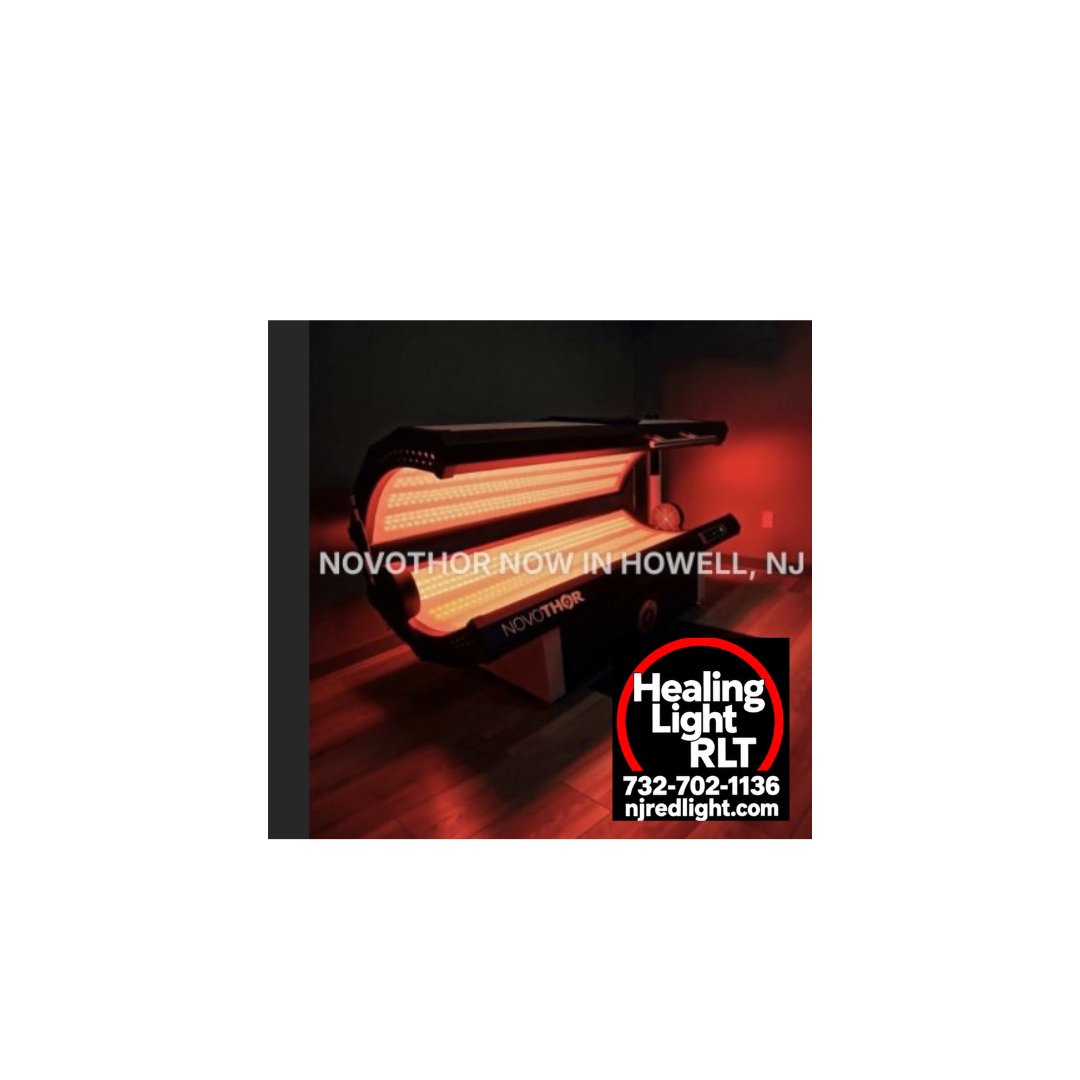
The NovoTHOR whole body red light bed treats the entire body and is a mix of red light and infrared light. It is FDA approved, medical grade, and made in the USA. The NovoTHOR bed is backed by science, which matters in a category where claims are not tightly regulated. It is a different approach from localized devices, so it should not be compared directly to other beds or other red light therapy products. Because sessions are accumulative and not a one-and-done treatment, the total cost of a plan matters more than the price of a single visit.
Schedule an Appointment today! →
Pricing depends on the plan you choose, so please contact us directly for current pricing and details. When you compare options, look at total cost rather than a single session: a starting plan of multiple sessions, any follow-up visits your provider recommends, and the cost of staying consistent over time. Because sessions are cumulative, a single visit is unlikely to show the full picture, so plan with your provider for a complete starting plan instead of a single visit.
Many people ask whether they can pay with pre-tax dollars. Insurance coverage and FSA/HSA eligibility are two separate questions. An FSA or HSA can sometimes be used for medical expenses, but eligibility depends on your account rules, how the treatment is documented, and whether your account administrator accepts the claim. To substantiate a claim, keep an itemized receipt that shows the service, the date, and the provider, plus a letter of medical necessity from your provider that ties the treatment to a diagnosed condition. Check with your account administrator before you assume a purchase qualifies, and keep copies of everything you submit in case the administrator asks for documentation later.
You do not need a doctor for a consultation or to operate the NovoTHOR whole body red light bed. It is FDA approved and medical grade, but a doctor is not required for use. If you have a health condition or are unsure whether treatment is appropriate for you, speak with your own healthcare provider before starting. Being hydrated before and after each session is beneficial, so plan for that as part of your routine.
Book Your Consultation at Healing Light
If you are considering whole body red light therapy, the next step is a consultation. You can contact us to make an appointment, or book a first visit for just $35. During your visit, we will walk you through how the NovoTHOR whole body red light bed works, answer your questions about what to expect, and help you decide whether it is a good fit.
Learn more and book at Healing Light's website. You can also explore more articles on our blog page for further reading on whole body red light therapy and wellness.
#redlighttherapy #novothor #longevity #monmouthcountynj #healinglightrlt #wellness #photobiomodulation #medicalgraderedlight
Frequently Asked Questions
Does insurance cover red light therapy?
In most cases, standard health insurance does not cover red light therapy because it is generally classified as an elective wellness service rather than a medically necessary treatment. Coverage decisions depend on your specific plan, your diagnosis, and how your insurer classifies the treatment. The most reliable way to know is to call your insurer, ask whether photobiomodulation or red light therapy is a covered benefit under your plan, and request the answer in writing. Healing Light can help you prepare questions for that call during your consultation.
Can I use my FSA or HSA for red light therapy?
Flexible Spending Accounts (FSA) and Health Savings Accounts (HSA) may be able to pay for certain medical expenses, but eligibility depends on the nature of the treatment and the rules of your account administrator. Because wellness services are often not eligible, check with your plan administrator before using these funds. Keep itemized receipts and any documentation from your provider in case you need to substantiate a claim.
How many red light therapy sessions do I need?
Red light therapy works cumulatively, so it is not a one-and-done treatment. Results, when they occur, typically build over repeated sessions rather than appearing after a single visit. The right schedule depends on your goals and individual circumstances, so the number of sessions is best discussed during a consultation with the Healing Light team rather than assumed in advance.
Do I need a doctor's referral to use the NovoThor whole body red light bed?
No. You do not need a doctor to book a consultation or to use the NovoThor whole body red light bed. The device is FDA-cleared and medical grade, and it is manufactured in the USA. Staying well hydrated before and after your session is also recommended. If you have questions about your health history, you are welcome to bring them to your consultation.
