
how-to
Does Red Light Therapy Help Slow-Healing Injuries?
By Editorial Team , Content Writer · · 12 min read
Last Updated: November 8, 2026
Quick Summary
Red light therapy may support healing in slow-healing injuries by helping cells work more efficiently, though results vary from person to person. It works best as a supportive step alongside proper wound care and medical guidance, and sessions build on each other over time.
- Healing slows when tissue clearing, cell building, or remodeling stalls.
- Wounds not improving after several weeks warrant a visit to a healthcare provider.
- Red light therapy sessions are accumulative, not one-and-done, so consistency matters.
- Being hydrated before and after each session is beneficial.
- Track wound size, photos, and pain weekly to see whether therapy is helping.
Table of Contents
- Why Some Injuries Heal Slowly
- How Red Light Therapy Supports Tissue Healing
- Red Light Therapy for Wound Healing
- Red Light Therapy for Ligament Injury and Tendon Repair
- How Long to Use Red Light Therapy for Wound Healing
- Factors That Can Delay Healing and When to See a Professional
- Booking Your Consultation With Healing Light
- Frequently Asked Questions
Why Some Injuries Heal Slowly
Slow-healing injuries frustrate people because the body seems to stall. A wound stays open for weeks, or a sore joint never quite settles down. Whole body red light therapy is one option many people explore to support recovery.
Healing takes place in stages. The body clears damaged tissue, builds new cells, and then remodels the area over time. When any stage slows down, the whole process drags.
Common reasons include:
- Poor blood flow to the injured area
- Ongoing inflammation that never fully calms
- Age, which can slow cell turnover
- Diabetes and other conditions that affect circulation
- Repeated strain on the same tissue
If a wound or injury has not improved after several weeks, talk with a qualified healthcare provider. A professional can check for infection, poor circulation, or other causes that need treatment.
How Red Light Therapy Supports Tissue Healing
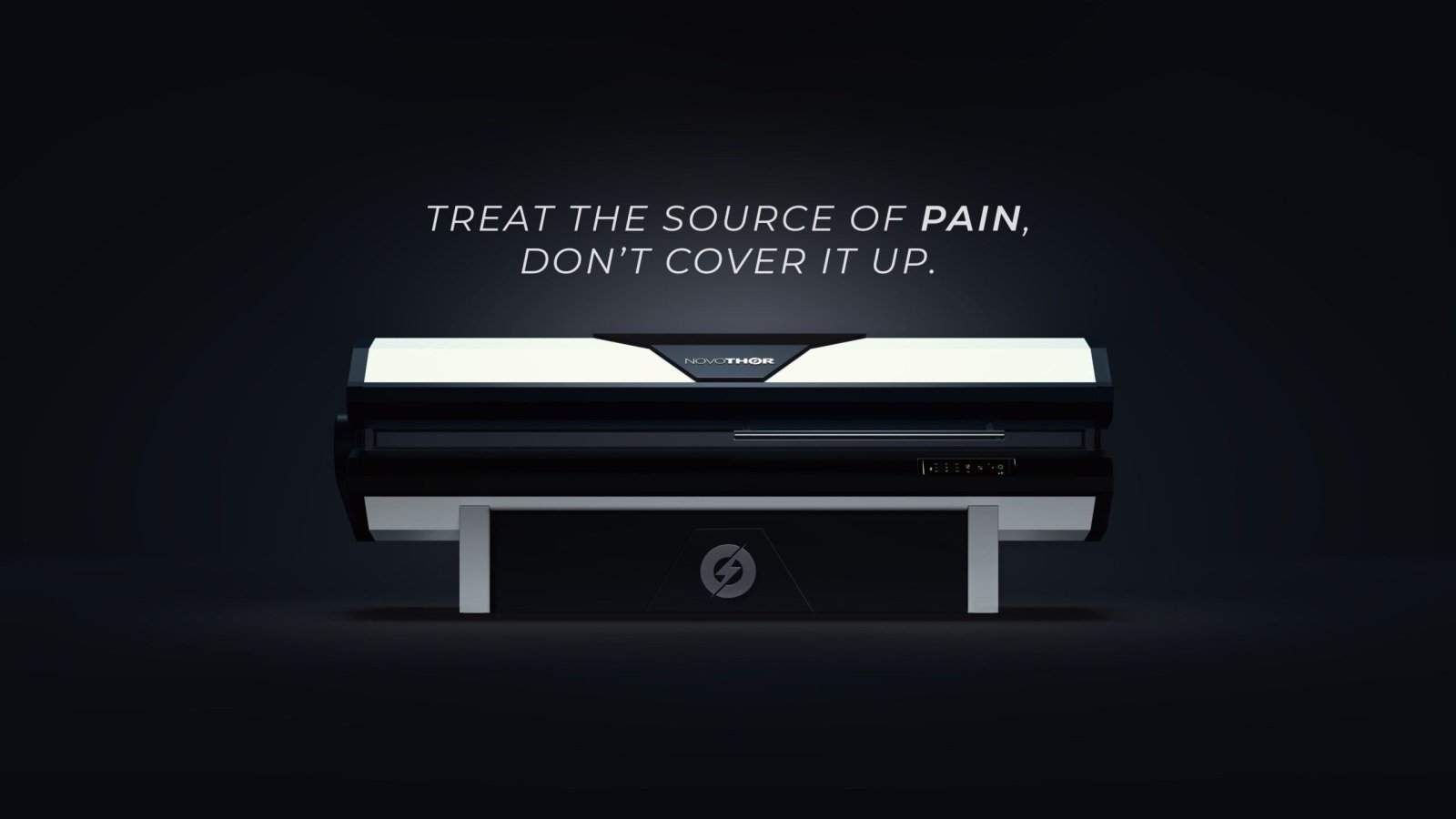
Red light therapy, also called photobiomodulation, uses red and near-infrared light to reach living tissue. The idea is simple: light energy may help cells work more efficiently. The NovoTHOR whole body red light therapy bed mixes red light and infrared light and treats the entire body rather than one small spot.
It is important to be honest about the science. Red light therapy is not regulated the way a prescription drug is, so many companies make bold claims. The NovoTHOR bed is FDA approved, medical grade, and made in the USA. The research behind light-based healing is promising, but it is still developing, and results vary from person to person.
Why the Whole Body Bed Changes the Equation
The NovoTHOR whole body red light therapy bed treats the entire body at once with a mix of red light and infrared light. Healing is a whole-body process: circulation, inflammation, sleep, and energy production all influence how fast tissue repairs.
The NovoTHOR bed is medical grade, made in the USA, and FDA approved, and it is backed by science. We would rather point to the research and let you decide with our team during a consultation.
Mitochondria, ATP, and Cellular Activity
Most researchers focus on the mitochondria, the parts of a cell that make energy. Light in the red and near-infrared range is thought to be absorbed by a molecule inside mitochondria called cytochrome c oxidase, which may support the production of ATP, the fuel cells use to repair themselves.
Think of it like a battery charger for tissue. More available energy may help cells do their repair work. The effect builds over time, which is why sessions are accumulative, it is not a one-and-done session. Consistency over several weeks is what most people notice, not a single visit.
Inflammation, Circulation, and Collagen
Inflammation is part of healing, but too much of it can slow things down. Light therapy is thought to help calm an overactive inflammatory response. Some studies also suggest it may improve blood flow, which brings oxygen and nutrients to the injured area.
Collagen is the protein that gives new tissue its strength. Early research suggests red light may support collagen production. Good circulation and steady collagen building both matter for a strong recovery.
What the Evidence Can and Cannot Tell You
It helps to separate what we know from what we are still learning. Laboratory and animal studies give researchers a clear picture of how light interacts with cells. Human clinical evidence is strongest for certain skin and wound applications and thinner for specific tendon and ligament injuries. That does not mean light therapy is useless for those tissues, it means expectations should be realistic and progress should be tracked rather than assumed.
Being hydrated before and after each session is beneficial, and sessions are accumulative rather than one-and-done. If you want to understand how the NovoTHOR whole body red light therapy bed with red light and infrared light might fit your recovery, contact us to make an appointment for a consultation or book a first visit for only $35. You do not need a doctor to book a consultation or to operate the bed, it is FDA approved and medical grade, but a doctor is not required.
Red Light Therapy for Wound Healing
Wounds that stay open for a long time are one of the most common reasons people look into light therapy. Red light therapy for wound healing is being studied for its possible role in helping skin rebuild. The goal is to support the body's own repair process, not to replace basic wound care.
Keep the wound clean and covered as directed by your provider. Use light therapy as a supportive step. If a wound shows signs of infection, such as spreading redness, pus, or fever, see a doctor right away.
The NovoTHOR bed treats the entire body with a mix of red light and infrared light, so it can fit into a broader wellness routine alongside your care plan.
A Practical Way to Track Whether It Is Working
Most articles stop at 'it may help.' A more useful approach is to measure. Before you start, note the wound's approximate size, how it looks, and how it feels. Take a photo in consistent lighting once a week. Track pain on a simple 0-10 scale and note any change in function, such as whether you can bear weight or move the area more comfortably.
Bring those notes to your consultation. Our team can help you interpret them, and decisions about how often to use the bed are individualized.
Watch out: if a wound is not smaller or better after several weeks, or if pain, swelling, or warmth is increasing, stop and see a healthcare provider. Light therapy is not a substitute for diagnosis or wound care.
Staying Hydrated and Staying Consistent
Two simple habits support the process. First, hydration: being hydrated before your session and after is beneficial. Second, consistency: sessions are accumulative, not one-and-done. People who expect a single visit to close a wound are usually disappointed; people who commit to a steady routine over several weeks give themselves a fair test.
When Slow Healing Needs Medical Evaluation
Some wounds need more than supportive therapy. Seek professional evaluation if you notice spreading redness or red streaks, drainage or a bad smell, fever or feeling unwell, numbness or loss of feeling, or a wound that stalls despite consistent care. These can signal infection or circulation problems that light therapy alone will not address. If you have diabetes, circulation issues, or take medications that affect healing, check with your doctor first.
You do not need a doctor to book a session on the NovoTHOR bed. The bed is FDA approved and medical grade, but a doctor is not required to operate it. If you want to explore whether whole body red light therapy with red light and infrared light fits your recovery, contact us to make an appointment for a consultation or book a first visit for only $35.
Red Light Therapy for Ligament Injury and Tendon Repair
Ligaments and tendons are often described as healing more slowly than muscle. This is why sprains and tendon problems can linger for months. Many people ask about red light therapy for ligament injury and red light therapy for tendon repair because they want something gentle that fits into daily life.
The evidence for these tissues is still limited. Treat light therapy as one part of a plan. Rest, proper movement, and guidance from a physical therapist or doctor usually matter more. A session on our bed is not a replacement for a proper diagnosis.
How Long to Use Red Light Therapy for Wound Healing
There is no single answer that fits everyone. Red light therapy sessions are accumulative, meaning they build on each other. It is not a one-and-done session.
Being hydrated before your session and after is beneficial.
Results depend on the injury, your health, and how consistently you use the therapy. A healthcare provider can help you decide how long to continue and whether your wound is improving as expected.
Red light therapy sessions build on each other, so the timeline depends on the injury and how consistently the therapy is used.
| Factor | What the article says | Note |
|---|---|---|
| Session type | Accumulative, not one-and-done | Results build over repeated use |
| Hydration | Be hydrated before and after | Beneficial |
| Timeline | Depends on injury, health, consistency | Set with a healthcare provider |
| Progress check | Provider decides duration | Confirm wound is improving |
Factors That Can Delay Healing and When to See a Professional
Several factors can slow healing. These include smoking, poor nutrition, uncontrolled blood sugar, low blood flow, certain medications, and infection. Stress and poor sleep can also play a role.
See a professional if you notice:
- A wound that is not smaller or better after several weeks
- Increasing pain, swelling, or warmth
- Drainage, a bad smell, or red streaks
- Fever or feeling unwell
- Numbness or loss of feeling in the area
You do not need a doctor to book a session on the NovoTHOR bed. The bed is FDA approved and medical grade, but a doctor is not required to operate it. That said, anyone with an open wound, a medical condition, or who takes medication should check with their doctor first.
Booking Your Consultation With Healing Light
If you want to learn more, contact us to make an appointment for a consultation. You can also book a first visit for only $35. We will walk you through what to expect and answer your questions about the whole body red light therapy bed.
Our team is ready to help you decide if NovoThor whole body red light therapy with red light and infrared light fits your goals. Reach out today, and take the first step toward a steadier recovery.
Visit the Healing Light website to learn more: https://healing-light-rlt-llc.square.site/
Read more articles on our blog: Explore more articles
#redlighttherapy #novothor #longevity #monmouthcountynj #healinglightrlt #wellness #photobiomodulation #medicalgraderedlight
Frequently Asked Questions
Does red light therapy heal injuries faster?
Red light therapy is studied for its potential to support tissue repair, but results vary by person, injury type, and treatment consistency. Research suggests it may influence cellular activity, inflammation, and circulation, which are all involved in healing. It is not a guaranteed shortcut. Red light therapy sessions are accumulative, so it is not a one-and-done session. A consultation can help set realistic expectations for your situation.
When shouldn't you use red light therapy?
Red light therapy is not a substitute for medical evaluation. If an injury is getting worse, is accompanied by signs of infection, or has not improved over a reasonable period, a qualified healthcare professional should assess it. People with certain medical conditions or who are pregnant should speak with their doctor before starting any new wellness treatment. Our team can discuss your history during a consultation so you can decide whether the treatment fits your needs.
Can red light therapy help with tendon repair?
Light-based treatments are being studied for their possible role in tendon and soft tissue repair, with research focusing on cellular activity and circulation. Evidence is still developing, and outcomes differ between individuals. Consistency matters because red light therapy sessions build on one another. Whole body red light therapy with red light and infrared light may be discussed as one option alongside guidance from your healthcare provider. Contact us to book a consultation.
Is red light therapy safe to use after surgery?
Anyone recovering from surgery should first get clearance from their surgeon or physician before starting red light therapy. Timing, incision status, and any medications can all affect whether it is appropriate. Our NovoTHOR whole body red light bed is FDA approved and medical grade, and a doctor is not required to book a consultation or operate the bed. Still, coordinating with your care team is the safest approach. Staying hydrated before and after sessions is also beneficial.
