
how-to
How to Use Red Light Therapy for Better Sleep Quality
By Editorial Team , Content Writer · · 12 min read
Last Updated: November 17, 2026
Quick Summary
Red light therapy may help improve sleep quality for some people, though the research is promising but limited. Sleep responds to evening light, and red light is far less stimulating than blue or white light. Track your sleep for several weeks to see whether it helps you.
- Bright blue and white light in the evening can push your body clock later.
- Red light is far less stimulating than blue or white light.
- Many sleep studies are small, so the evidence remains incomplete.
- Keep a daily log of sleep latency, night wakings, total sleep and alertness.
- Use sessions at a consistent evening time, with the room dimmed beforehand.
Table of Contents
- Why Sleep Quality Responds to Light Exposure
- Does Red Light Therapy Help You Sleep?
- Best Time of Day to Use Red Light Therapy for Sleep
- How to Use Red Light Therapy for Sleep at Home
- Red Light Therapy Compared with Darkness and Sleep Hygiene
- Booking Your First Visit at Healing Light RLT
- Frequently Asked Questions
Why Sleep Quality Responds to Light Exposure
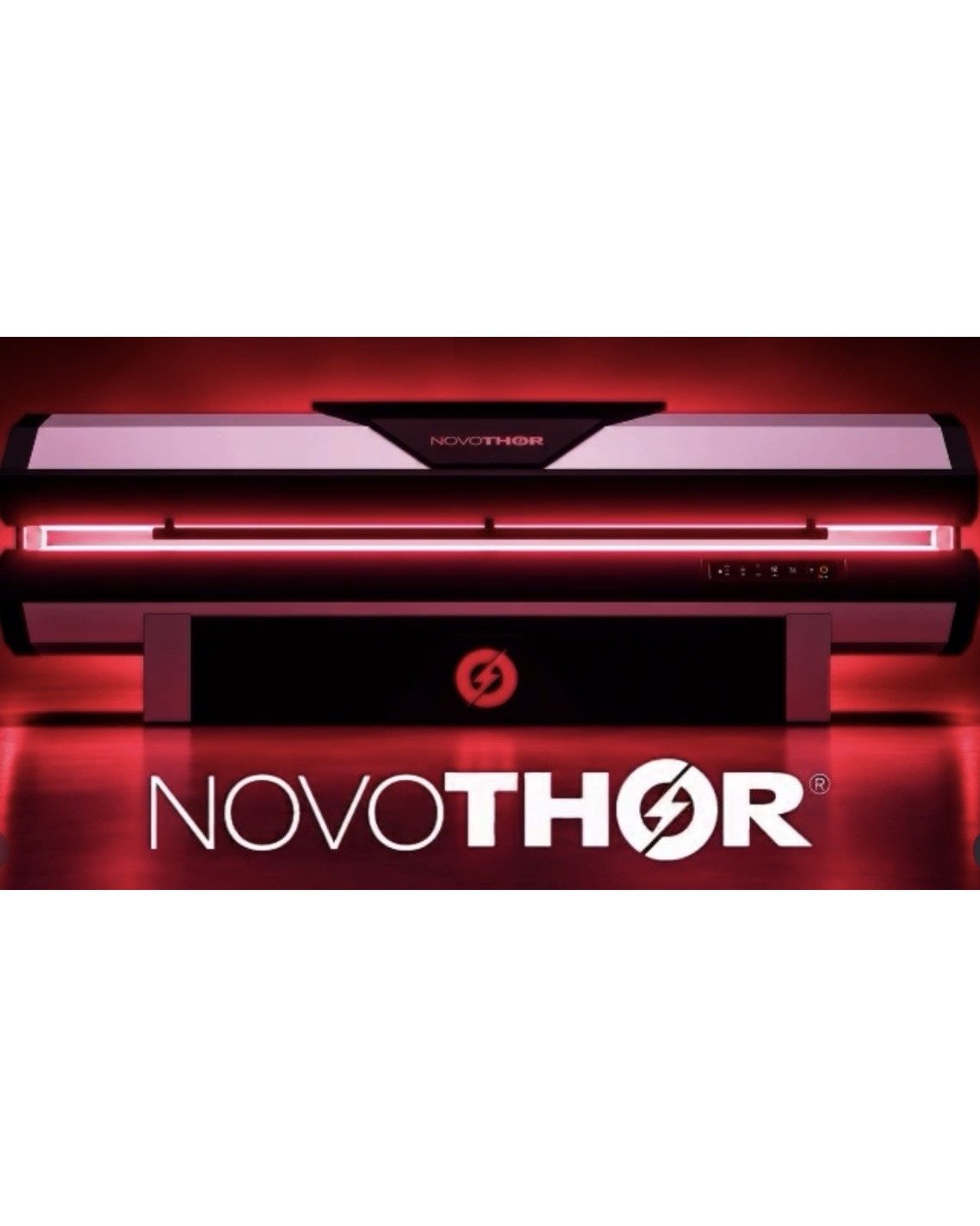
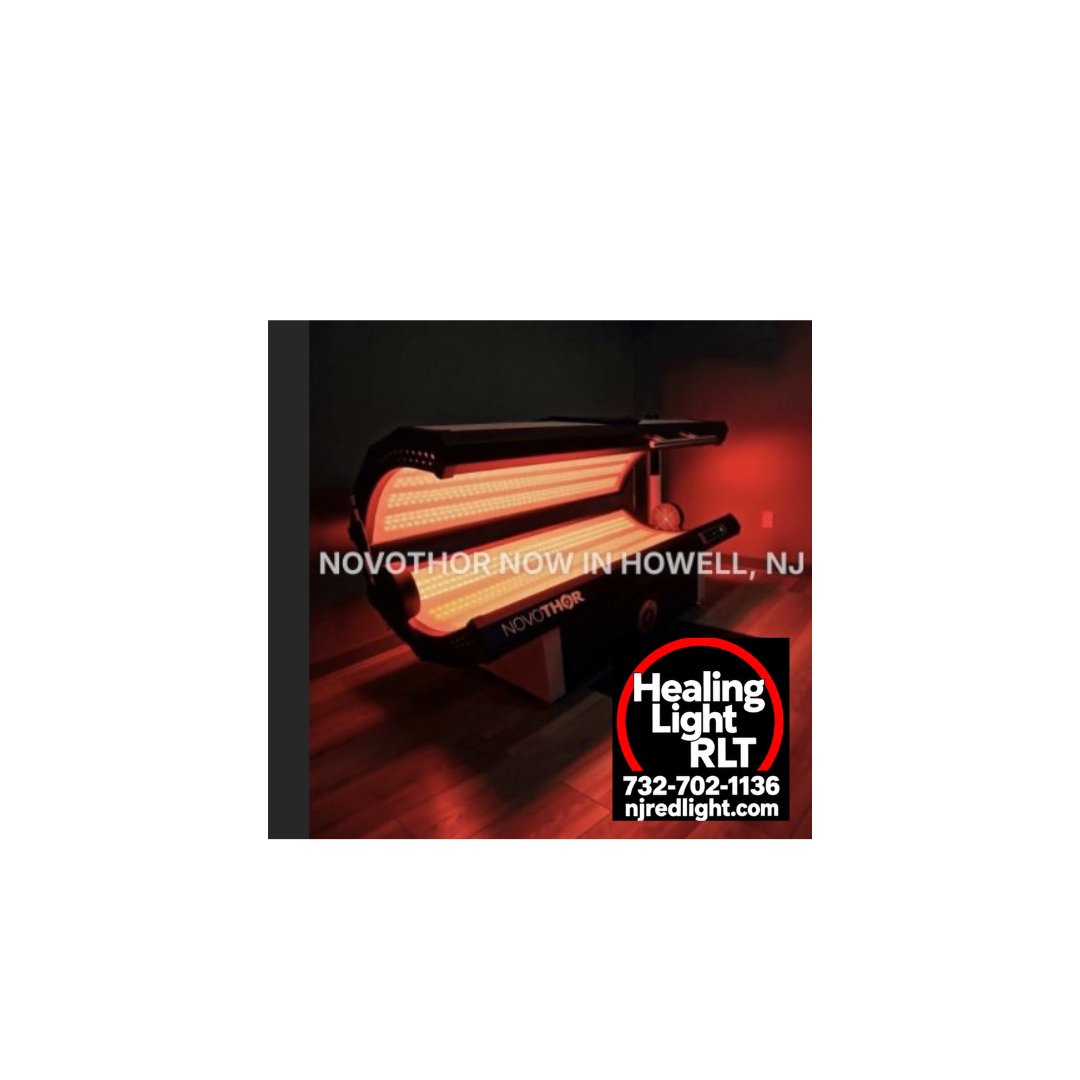
Your sleep depends heavily on light. The body reads light as a signal for when to be awake and when to wind down, and that signal shapes how well you fall asleep and stay asleep. Healing Light RLT offers whole body red light therapy with red light and infrared light, delivered in the NovoTHOR bed, which treats the entire body. Understanding this link helps explain the role light plays in sleep.
Light tells your brain what time it is. Your internal clock, often called the circadian rhythm, runs on a roughly 24-hour cycle. Light entering the eyes is the main cue that keeps this clock in step with the day.
How Light Signals the Body Clock
Bright light in the morning tells the body to be alert. Darkness in the evening tells it to start producing melatonin, the hormone that helps you feel sleepy.
- Morning light helps set your body clock earlier.
- Evening light, especially bright and blue-heavy light, can push your clock later.
- Dim, warm light at night supports a natural sleep-wake rhythm.
When evening light stays bright, many people find it harder to fall asleep. That is why sleep experts often recommend dimming screens and lamps before bed.
Where Red Light Fits Compared with Blue and White Light
Not all light affects the body the same way. Blue and white light contain more short wavelengths, and these tend to have the strongest effect on the body clock and alertness.
Red light sits at the longer-wavelength end of the visible spectrum. It is far less stimulating than blue or white light. Near-infrared light goes even further and is not visible at all. This is part of why red and near-infrared light are often described as gentler options for evening use. Still, the research on how these wavelengths affect sleep is limited, and the details matter.
Does Red Light Therapy Help You Sleep?
Red light therapy may influence sleep, but the honest answer is that the evidence is promising and incomplete. Most of what exists comes from small trials, and results differ by wavelength, device, session timing, and the population studied. Treat better sleep as a possibility worth testing carefully, not a guaranteed outcome.
What the Evidence Shows and Where It Is Limited
The research clusters around a few measurable outcomes: how long it takes to fall asleep (sleep latency), how often people wake during the night, total sleep time, and next-day alertness. Early studies of red and near-infrared light report improvements in some of these measures, particularly self-reported sleep quality and morning alertness. Other studies find little or no change. Both patterns are real, and the disagreement is the story.
Why the results conflict:
- Small samples. Many trials enroll a few dozen healthy adults, which makes it easy for chance to look like an effect.
- Different devices. Wavelength, irradiance, and treatment area vary widely between studies, so two "red light" studies may not be testing the same thing.
- Different timing. A session in the morning and a session before bed are not interchangeable when the outcome is sleep.
- Different populations. Few trials focus on people with diagnosed insomnia or other sleep disorders, so findings from healthy volunteers may not transfer.
- Mixed outcome measures. Some studies rely on questionnaires, others on wearable trackers or lab sleep studies, and these do not agree with each other.
The National Institutes of Health research on light and sleep is a useful starting point for understanding how light exposure influences the body clock and why study design matters so much here.
One more point deserves emphasis: red light therapy is not regulated, so claims about sleep benefits range from carefully studied to purely promotional. The NovoTHOR whole body red light therapy bed is backed by science and is FDA approved, medical grade, and made in the USA.
Possible Mechanisms of Action
Researchers have proposed several pathways, none of them fully settled:
- Melatonin timing. Because light exposure influences melatonin production, the timing and spectrum of that light may shift when melatonin rises in the evening.
- Circadian entrainment. Consistent exposure at the same time each day may help reinforce the sleep-wake cycle rather than disrupt it.
- Cellular effects of photobiomodulation. Red and near-infrared light interact with mitochondria in skin and tissue, and this is the mechanism most often cited for whole body red light therapy with red light and infrared light.
- Relaxation and routine. A quiet, warm session before bed may support wind-down behavior independent of any direct biological effect.
Who May Benefit and Who Should Use Caution
Adults with occasional restless nights may wish to discuss whole body red light therapy with a qualified professional before trying it. Readers interested in skin and tissue concerns can see how the NovoTHOR bed is used for scar healing. People with diagnosed insomnia, sleep apnea, or shift-work schedules should discuss any new routine with a qualified healthcare professional, because the timing that helps one sleep pattern can work against another.
Use caution if you have a light-sensitive condition, an eye condition, or take medication that increases light sensitivity. A healthcare provider can help you weigh whether red light therapy fits your situation.
How to Tell Whether It Is Helping You
Subjective impressions fade fast, so track concrete numbers. For two weeks before your first session, log four things each morning: how long you estimate it took to fall asleep, how many times you woke, your total time asleep, and how alert you felt an hour after waking. Keep logging through your sessions. A pattern across two to three weeks tells you far more than a single good or bad night, and it gives you something specific to discuss at your consultation.
Red light therapy sessions are cumulative, not one and done, so judge the routine over a series of visits rather than after the first one. If you want help interpreting what you are seeing, contact us to make an appointment for a consultation or book a first visit for only $35.
Best Time of Day to Use Red Light Therapy for Sleep
For sleep, many people find that a session in the evening, before bed, makes the most sense. Evening use fits the goal of winding the body down. Some people also prefer a session earlier in the evening so they can unwind before lights out.
Timing is less important than consistency. Choose a time you can keep most days. Short, regular sessions tend to be easier to maintain than irregular long ones.
How to Use Red Light Therapy for Sleep at Home
A routine only works if you can repeat it. The goal is a consistent, comfortable session at roughly the same time each evening, tracked over weeks rather than judged night by night.
Here is a practical approach:
- Pick one consistent time in the evening. Consistency matters more than the exact hour. Choose a slot you can keep most days.
- Dim the room first. Lower overhead lights before your session so the session is the brightest thing in the room, then keep the room dim afterward.
- Contact us for guidance. Healing Light RLT tailors each session to the individual, so please contact us to discuss what is right for you rather than copying settings from a video or another device.
- Stay hydrated before and after. Being well hydrated before and after each session is beneficial.
- Log your results. Note sleep latency, night wakings, total sleep time, and morning alertness each day so you can see a trend instead of a single night.
A red-colored bulb is not the same as a therapy device. Whole body red light therapy with red light and infrared light on the NovoTHOR bed is a different experience than a decorative lamp.
Why Sessions Build Up Over Time
Red light therapy sessions are cumulative. They are not a one-and-done treatment. Benefits, if any, tend to build over repeated sessions rather than appearing after a single visit. Plan for a series of sessions, keep the timing consistent, and give your body time to respond before you decide whether it is working for you.
Why Whole Body Coverage Matters
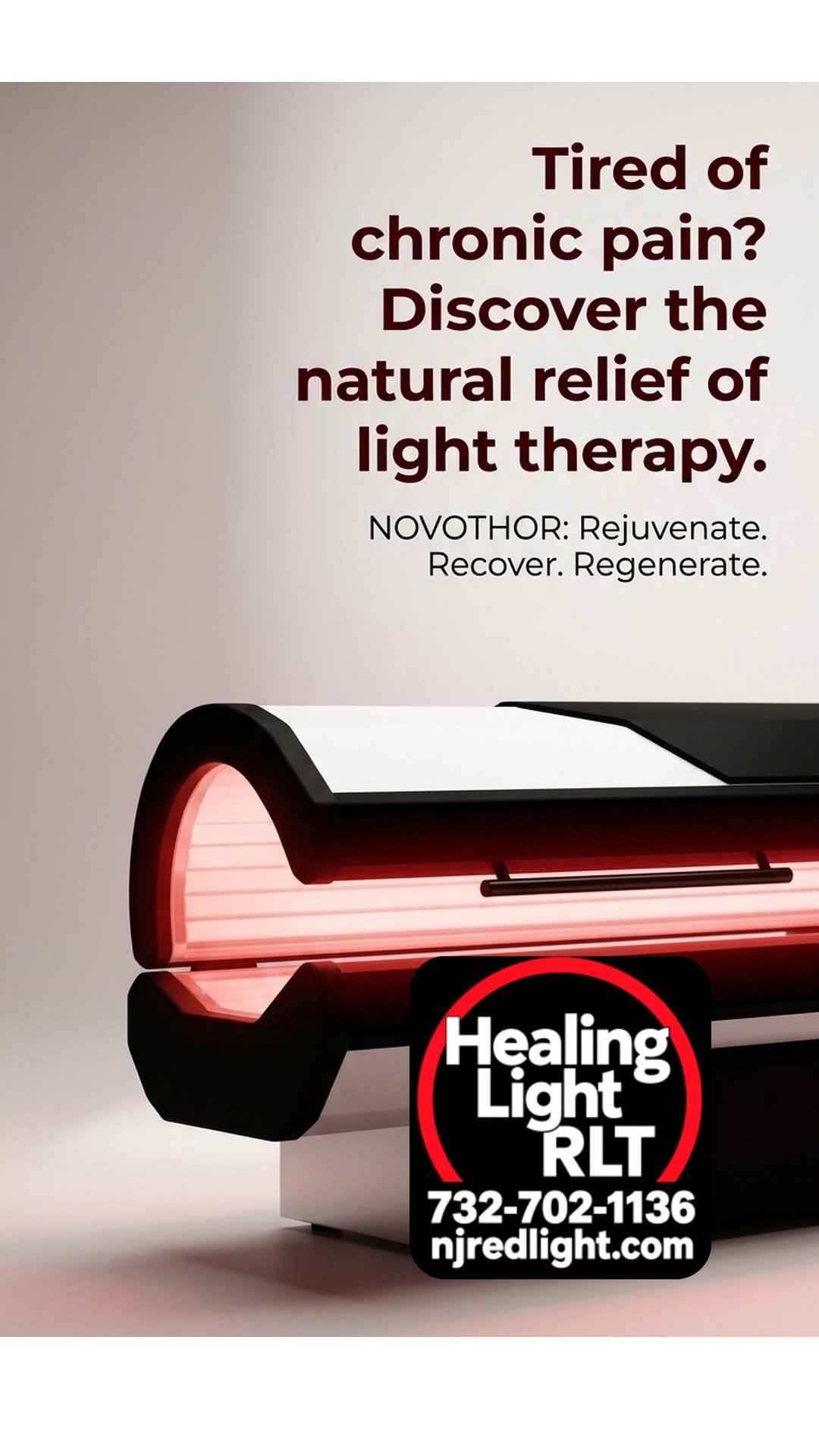
The NovoTHOR whole body red light therapy bed treats the entire body at once, combining red light and infrared light in a single session. It is FDA approved, medical grade, and made in the USA.
Red Light Compared with Darkness and Standard Sleep Hygiene
Red light therapy is an add-on, not a replacement. A dark, cool, quiet room, a consistent schedule, limited late caffeine, and reduced screen use still do most of the work. If you are unsure how red light fits alongside these habits, contact us to make an appointment for a consultation or book a first visit for only $35.
The steps below summarise the at-home routine described in this section, so you can follow it night by night.
| Step | What to do | Time or frequency |
|---|---|---|
| Choose a time | Pick one consistent evening slot you can keep | Most days |
| Dim the room | Lower overhead lights so the session is the brightest light | Before each session |
| Get guidance | Contact Healing Light RLT to tailor your session | Before starting |
| Stay hydrated | Drink water before and after each session | Each session |
| Log results | Note sleep latency, wakings, total sleep and alertness | Daily |
Red Light Therapy Compared with Darkness and Sleep Hygiene
Darkness is the body's natural signal for sleep, and standard sleep hygiene remains the foundation of good rest. These include keeping a consistent schedule, limiting caffeine late in the day, keeping the bedroom cool and quiet, and reducing screen use before bed.
Red light therapy is best viewed as an add-on, not a replacement. A dark room and good sleep habits still do most of the work. Red light may be a supplement to these basics for some people, but it does not replace them.
Booking Your First Visit at Healing Light RLT
If you want to learn whether whole body red light therapy fits your sleep goals, the next step is a consultation. You do not need a doctor's referral for a consultation or to use the NovoTHOR whole body red light bed. The NovoTHOR bed is FDA approved, medical grade, and made in the USA.
Contact Healing Light RLT to schedule an appointment or book a first visit for only $35. You can also find local details on the Howell studio booking page a short drive from Buckingham. Our team can answer your questions and explain what to expect.
Visit the Healing Light RLT website for more information: https://healing-light-rlt-llc.square.site/
Read more articles on our blog for additional guidance on red light therapy and wellness.
#redlighttherapy #novothor #longevity #monmouthcountynj #healinglightrlt #wellness #photobiomodulation #medicalgraderedlight
Frequently Asked Questions
Does red light actually help you sleep better?
Early research suggests red and near-infrared light may influence the body clock and melatonin rhythms, and some people report better rest after regular sessions. The evidence for sleep quality is still limited and mixed, with small studies and few long-term trials. Red light therapy is not a cure for insomnia. Whole body red light therapy with red light and infrared light, delivered in the NovoTHOR bed, is backed by science, and results build up over repeated sessions. Consult a qualified professional about persistent sleep problems.
What is the best time to use red light therapy for sleep?
Most people schedule sessions in the evening, in the hours before bed, because that is when many want to wind down. Some people prefer a session earlier in the day to avoid any feeling of stimulation close to bedtime. Timing that works for one person may not suit another, so pay attention to how you feel afterward. Sessions are cumulative, so consistency across weeks matters more than the exact hour. Staying hydrated before and after each session is also beneficial.
Where should you avoid using red light therapy?
Avoid using red light therapy over areas with an active injury, an open wound, or a condition your doctor has asked you to monitor without first discussing it with a qualified professional. Do not rely on it in place of medical care for sleep disorders. If you are pregnant, taking photosensitizing medication, or have a light-sensitive condition, speak with your healthcare provider before starting. A consultation at Healing Light RLT can help you decide whether whole body red light therapy is a good fit, and a doctor is not required to book one.
