
ultimate-guide
Scientific Evidence for Red Light Therapy Efficacy
By Editorial Team , Content Writer · · 15 min read
Last Updated: November 15, 2026
Quick Summary
Scientific evidence for red light therapy is growing but uneven. Studies show the most consistent benefits for knee osteoarthritis, exercise recovery, and modest skin texture improvement, while many other claims rest on small or preliminary trials.
- Judge each study by sample size, sham or placebo control, outcome measures, follow-up length, and funding.
- Multiple randomized trials report modest pain reduction for knee osteoarthritis compared with sham treatment.
- Exercise recovery and muscle soreness studies frequently show benefit, though timing of the light matters.
- Results build over repeated sessions, so single treatments should not be expected to produce lasting change.
- Before-and-after photos without a control group do not prove that the treatment caused the change.
Table of Contents
- How Red Light Therapy Works: The Science of Photobiomodulation
- What the Clinical Research Shows About Red Light Therapy Results
- Red Light Therapy for Pain: What the Studies Support
- Skin Aging, Collagen and Other Aesthetic Claims: Evidence Grade by Outcome
- Red Light vs. Near-Infrared: Why the Combination Matters
- Red Light Therapy Dangers, Side Effects and Who Should Be Careful
- What to Look for in Red Light Therapy: Evaluating Claims and Devices
- Why Sessions Are Cumulative and How Hydration Supports Your Results
- Booking Your First NovoTHOR Whole Body Red Light Bed Visit
- Frequently Asked Questions
How Red Light Therapy Works: The Science of Photobiomodulation
At Healing Light RLT, we see the same question at nearly every consultation: does red light therapy actually do anything, or is it another wellness trend? The honest answer depends on the mechanism, the wavelength, and the quality of the evidence behind a specific claim.
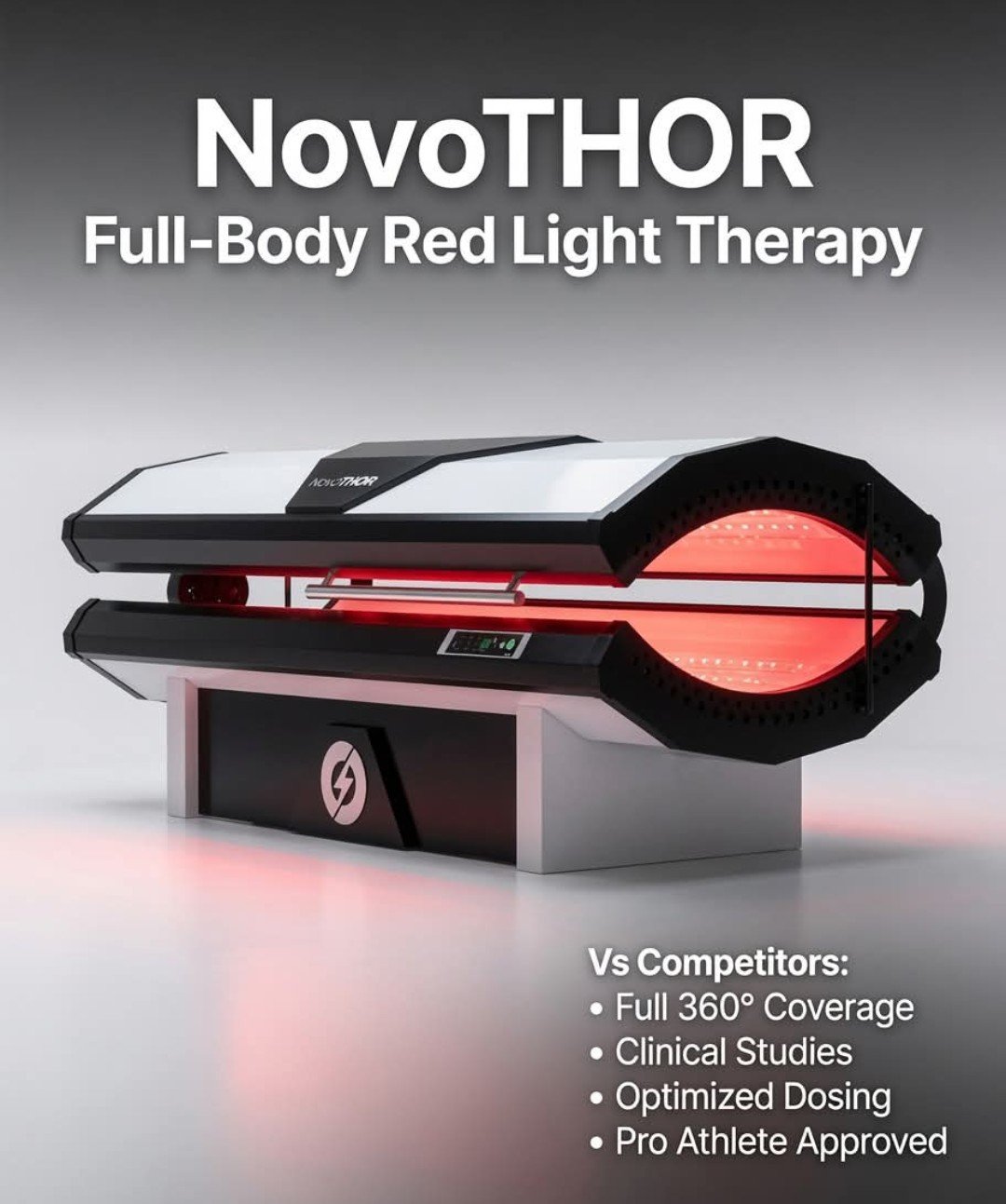
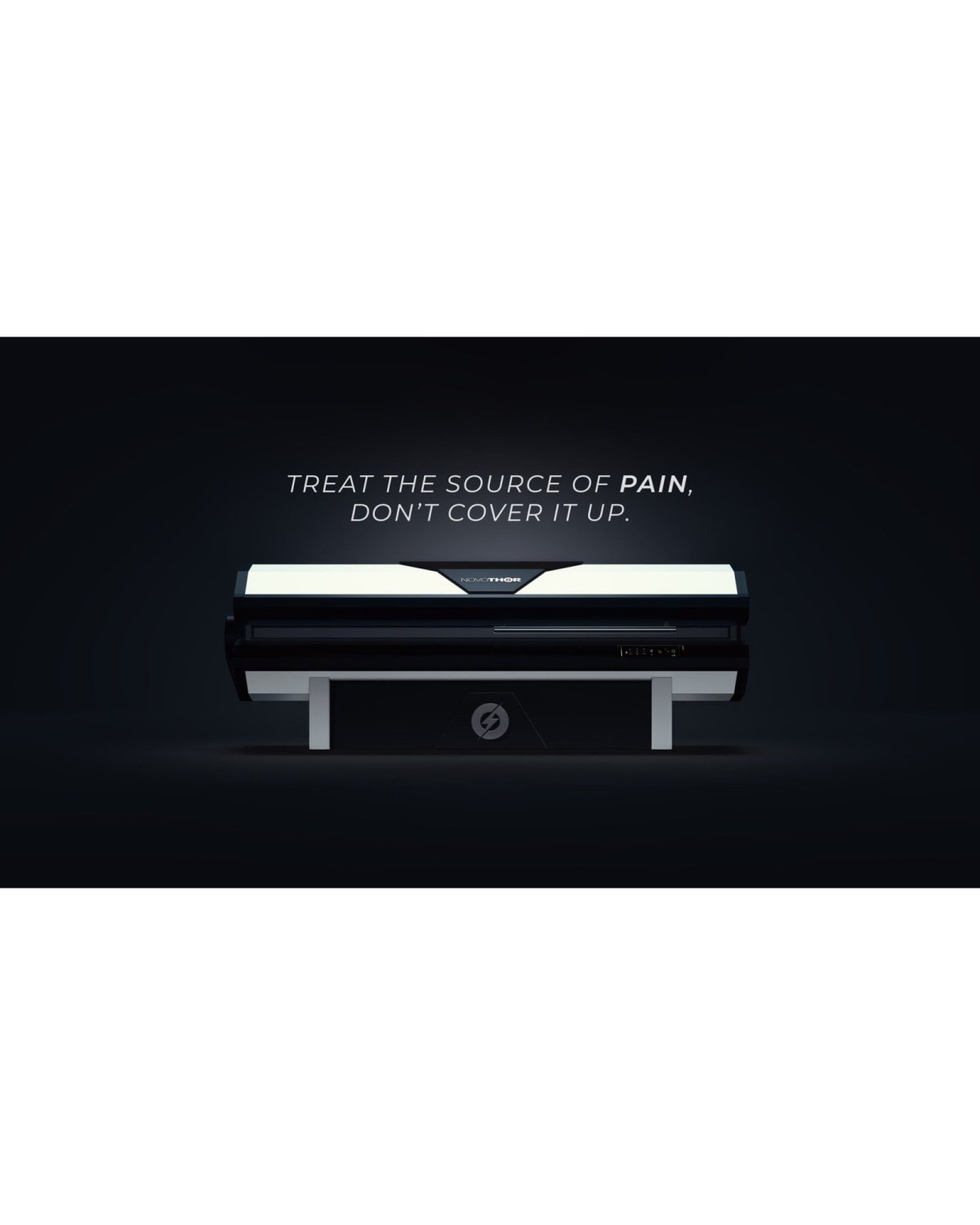
Photobiomodulation is a proposed mechanism, not a settled one. Light in the red and near-infrared range is absorbed by molecules inside cells, and the leading hypothesis centers on the mitochondria, the structures that produce cellular energy. The NovoTHOR whole body red light bed combines red light and infrared light, so the body receives both wavelength ranges in a single session.
Red and near-infrared wavelengths and cellular energy
Red light sits roughly between 620 and 700 nanometers, while near-infrared light extends beyond 700 nanometers into the range that penetrates deeper into tissue. Researchers have proposed that these wavelengths interact with a mitochondrial enzyme involved in energy production, though the exact pathway is still being studied. Readers interested in how this applies to the eyes can explore photobiomodulation for vision and retinal health. Because the body absorbs different wavelengths at different depths, pairing red and near-infrared light is one reason the NovoTHOR bed is designed to treat the whole body rather than a single area.
What the Clinical Research Shows About Red Light Therapy Results
Clinical research on red light therapy is growing, but the quality of studies varies widely. Many trials are small, short, or lack a control group, which limits how confidently results can be generalized. Reviews of the literature generally describe promising signals in several areas while calling for larger, better-designed trials.
When reading any study, look at four things: the sample size, whether there was a placebo or sham comparison, how long outcomes were tracked, and who funded the work. A single positive trial is a starting point, not proof. Results that repeat across independent teams carry more weight than a striking headline. Red light therapy is not regulated in the way prescription drugs are, so readers should separate well-designed research from marketing language.
At Healing Light RLT, the NovoTHOR whole body red light bed is FDA approved and medical grade, and it is backed by science, while the research base is still developing.
The table below sums up how the evidence differs by application, so readers can see at a glance where the studies are stronger and where they are still preliminary.
| Area | Evidence level | Key limitation |
|---|---|---|
| Knee osteoarthritis | Multiple randomized trials and reviews | Modest effect; not a substitute for medical care |
| Chronic low back pain | Trials exist, several report improvement | Small samples; protocols vary widely |
| Exercise recovery and soreness | Frequently shows benefit | Effect depends on timing of light |
| Fibromyalgia | Some trials report benefit | Results inconsistent |
| Neuropathic pain | Early studies only | Evidence base is small |
| Skin texture and appearance | Several trials and reviews | Modest effects that build over time |
| Scars, stretch marks, acne | Mixed or limited | Small evidence base; results inconsistent |
Red Light Therapy for Pain: What the Studies Support
Pain is one of the most heavily studied applications of photobiomodulation, and it is also one of the easiest places for marketing to outrun the evidence. The honest summary is that red light therapy has produced positive signals across several pain conditions, but the strength of that evidence is not uniform. Reading the research condition by condition is the only way to know what a whole body red light therapy session with red light and infrared light can realistically be expected to do.
Where the evidence is relatively stronger
- Knee osteoarthritis. Multiple randomized trials and several systematic reviews have reported modest reductions in pain and small improvements in function compared with sham treatment. The effect is real in the literature but generally modest, and it is not a substitute for exercise, weight management, or medical care.
- Chronic low back pain. Trials exist and several report improvement, but sample sizes are often small and protocols vary widely, which makes the results harder to pool.
- Delayed-onset muscle soreness and exercise recovery. This is one of the more consistent areas. Studies of soreness and perceived recovery after resistance or endurance exercise frequently show benefit, though the size of the effect depends heavily on when the light is applied relative to the exercise.
- Neck pain and some tendinopathies. Smaller trials report improvement, but replication is limited and the number of high-quality studies is thin.
Where the evidence is preliminary or mixed
- Fibromyalgia and widespread chronic pain. Some trials report benefit, but results are inconsistent and the condition is heterogeneous, which makes generalization difficult.
- Neuropathic pain. Early studies exist, but the evidence base is small and not yet strong enough to support firm conclusions.
- Acute injury and post-surgical pain. Findings are mixed and depend heavily on timing and tissue depth.
How to read a pain study without being misled
Four features separate a meaningful trial from a headline. First, sample size: a study of 20 people cannot support a broad claim. Second, the control: a sham or placebo comparison matters far more than an open-label trial where everyone knows they are being treated. Third, the outcome measure: a validated pain scale reported at a defined time point is stronger than a vague satisfaction question. Fourth, follow-up length: a benefit measured one week after treatment tells you little about durability.
Watch out: a single positive trial is a starting point, not proof, and results that repeat across independent research teams carry far more weight than one striking result.
What this means for whole body red light therapy
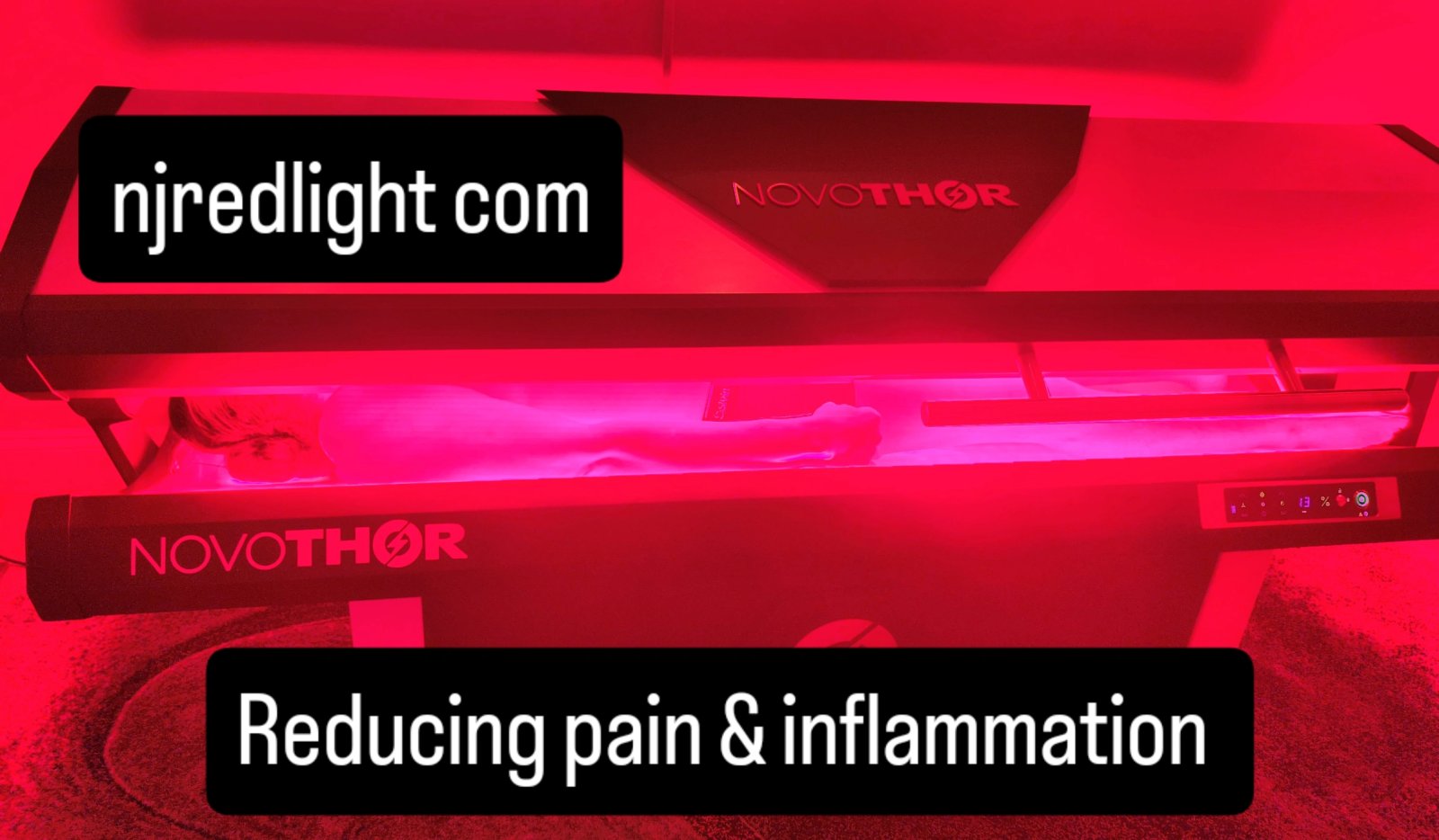
The NovoTHOR whole body red light therapy bed treats the entire body with a mix of red light and infrared light. A consultation matters because the right starting point depends on the person, the condition, and their history. Red light therapy sessions are cumulative, not a one-and-done event, so consistency over weeks is what the research actually reflects.
Pain that is severe, persistent, or new should be evaluated by a licensed clinician. Red light therapy belongs alongside a broader plan, not in place of medical assessment. At this point red light therapy is not regulated, but the NovoTHOR whole body red light bed is backed by science, FDA approved, and medical grade.
Skin Aging, Collagen and Other Aesthetic Claims: Evidence Grade by Outcome
Skin is the most heavily marketed use of red light therapy, and it is where the gap between advertising and evidence is widest. Rather than treat every aesthetic claim as equally proven, it helps to grade them. The grades below reflect how consistent and well-designed the published research is, not how dramatic the marketing copy sounds.
Grade A: reasonably consistent evidence
- General skin appearance and texture. Multiple randomized trials and systematic reviews report modest improvements in skin texture, roughness, and overall appearance after repeated sessions. The effects are real in the literature but modest, and they build over time rather than appearing after one visit.
- Fine lines and wrinkle severity. Several controlled trials report small reductions in wrinkle severity scores. The keyword is small. This is not a replacement for sun protection, retinoids, or in-office dermatologic procedures.
Grade B: promising but less consistent
- Collagen markers. Some studies report increases in collagen density or in markers associated with collagen production. The direction is encouraging, but the number of high-quality trials is limited and measurement methods vary.
- Skin tone and mild redness. Results are mixed and depend on skin type and the underlying cause of redness.
Grade C: preliminary or mixed
- Scars and stretch marks. Some trials report improvement, but the evidence base is small and results are inconsistent.
- Acne. Findings are mixed, and light-based approaches for acne often use different wavelengths and protocols than whole body red light therapy.
- Dramatic reversal or regeneration claims. These are not supported by the published evidence. Be skeptical of any promise to erase wrinkles or regenerate tissue.
Why the grade matters more than the claim
A practical way to read any aesthetic claim is to ask three questions. Was there a control group? How long did the study run? Was the outcome measured objectively or self-reported? A trial that measured wrinkle severity with a validated scale over several months carries more weight than a before-and-after photo. Results also depend on skin type, consistency, and individual factors, which is why no responsible provider promises a specific outcome.
Watch out: before-and-after photos are not evidence. Without a control group and a defined measurement, they show that something happened, not that the treatment caused it.
How whole body red light therapy fits
The NovoTHOR whole body red light therapy bed treats the entire body with a mix of red light and infrared light, so skin receives both wavelength ranges in a single session. Sessions are cumulative, not one-and-done, and being well hydrated before your session and after is beneficial. At this point red light therapy is not regulated, but the NovoTHOR whole body red light bed is backed by science, FDA approved, medical grade, and made in the USA. Anyone with a specific skin concern should discuss it with a qualified professional. To talk through your goals, contact us to make an appointment for a consultation or book a first visit, which is only $35.
Red Light vs. Near-Infrared: Why the Combination Matters
Many light devices use only one wavelength range, so it is reasonable to ask why a combination might matter.
The NovoTHOR whole body red light bed uses both red light and infrared light, and it is backed by science.
Red Light Therapy Dangers, Side Effects and Who Should Be Careful
Red light therapy is generally described as low risk, but low risk is not no risk. Reported side effects in studies are typically mild. Eye protection is important, because bright light can be harmful to the eyes, and the eyes should be shielded during sessions as directed by the operator.
Certain people should speak with a physician before starting, including anyone who is pregnant, has a photosensitive condition, takes medications that increase light sensitivity, has a history of skin cancer or active skin lesions, or has epilepsy. Anyone with a medical condition should get individual clearance from their own doctor. We do not diagnose or give individual treatment advice, and a consultation with a qualified professional is the right first step for personal questions.
What to Look for in Red Light Therapy: Evaluating Claims and Devices
Not all red light therapy is the same, and not all whole body red light beds are the same. When evaluating a provider or device, look for clear information about the wavelengths used, whether the device is FDA cleared or approved, how it was manufactured, and whether the provider can explain the evidence behind its claims in plain terms.
Be cautious of guarantees, cure language, or promises of permanent results. Ask what the provider does, how sessions are structured, and what the consultation process involves. Healing Light RLT offers the NovoTHOR whole body red light bed, which is non-invasive, FDA approved, and medical grade, and made in the USA. A good provider will welcome these questions rather than deflect them.
Why Sessions Are Cumulative and How Hydration Supports Your Results
Red light therapy sessions are cumulative. This is not a one-and-done treatment. Expecting a single session to deliver lasting change is one of the most common misunderstandings, and it leads people to abandon a plan before it has had a fair chance to work.
Hydration also matters. Being well hydrated before your session and after is beneficial, and it supports the body's overall functioning during a treatment routine. Being hydrated before your session and after is beneficial. Staying consistent with weekly sessions and keeping hydrated are two simple habits for getting the most from red light therapy.
Booking Your First NovoTHOR Whole Body Red Light Bed Visit
If you are considering whole body red light therapy with red light and infrared light, the next step is a conversation. You do not need a doctor to book a consultation or to operate the NovoTHOR whole body red light bed.
Contact us to make an appointment for a consultation or to book a first visit, which is only $35. We will walk you through what the NovoTHOR whole body red light bed does, what to expect, and how to decide whether it fits your goals. Visit the Healing Light RLT website to learn more: https://healing-light-rlt-llc.square.site/
For more articles on red light therapy and wellness, visit the Healing Light RLT blog page.
#redlighttherapy #novothor #longevity #monmouthcountynj #healinglightrlt #wellness #photobiomodulation #medicalgraderedlight
Frequently Asked Questions
What does scientific research say about red light therapy?
Research on red and near-infrared light, often called photobiomodulation, is active and growing. Many small trials and some larger randomized controlled trials report benefits for pain, skin appearance and recovery, while other studies find little or no effect. Evidence strength varies by condition and outcome, so a reader should look at the type and size of the studies rather than accepting general claims. Red light therapy is not a regulated category of treatment, which means claims can vary widely, so checking the underlying research matters.
Is red light therapy effective for pain?
Some clinical studies report reduced pain and stiffness for conditions such as joint pain, muscle soreness and certain musculoskeletal problems, but results are not uniform across trials. The evidence is more promising for some conditions than others. At Healing Light RLT, we offer whole body red light therapy with red light and infrared light using the NovoTHOR bed, which is FDA approved and medical grade. Sessions are cumulative, so a single session is not expected to be a complete answer. Speak with a qualified professional about whether this approach fits your situation.
Is red light therapy backed by clinical studies?
Yes, a body of clinical studies exists, but it is uneven. Some trials are small, short or lack proper control groups, while others are better designed. Reviewing whether a study was randomized, blinded and measured a meaningful outcome helps separate stronger evidence from weaker claims. At Healing Light RLT, we use the NovoTHOR whole body red light bed, which is FDA approved and medical grade, and we are backed by science. A consultation can help you understand what the research means for your goals.
What are the risks or side effects of red light therapy?
Red light therapy is generally described as well tolerated, with side effects reported as uncommon and usually mild. Possible issues can include eye discomfort if eyes are not protected, skin sensitivity, and effects for people taking photosensitizing medications. Anyone with a medical condition, pregnancy or concerns about light exposure should consult a qualified professional before starting. Staying hydrated before and after a session is also helpful for overall comfort.
How should I evaluate claims about red light therapy?
Start by asking what outcome is claimed, what condition it applies to, and what kind of study supports it. Be cautious of guarantees, dramatic before-and-after images without context, and claims that treat all red light therapy as identical. Not all red light therapy is the same, and not all whole body red light beds are the same. Look for transparent information about the device, its FDA status and how sessions are structured, then discuss your goals with a provider.
What should I look for in a red light therapy device or service?
Look for clear information about the device, including whether it combines red and near-infrared light, whether it is FDA approved and medical grade, and whether it is designed to treat the whole body. Ask how sessions are structured and what the provider can tell you about the research behind the device. A consultation or first visit, such as the first visit at Healing Light RLT for $35, gives you a chance to ask questions before committing. Remember that results build over repeated sessions.
