
how-to
7 Arthritis Symptom Tracking Journal Template Sections That Work
By Editorial Team , Content Writer · · 9 min read

Last Updated: November 12, 2026
Quick Summary
An arthritis symptom tracking journal template is a structured daily record that captures pain location, severity, stiffness, function, and medication response so patterns become visible over time. The core sections include date and time, joints affected on a body map, pain severity on a 0-10 scale, morning stiffness duration, activities, fatigue, sleep, mood, and medication taken with whether it helped.
- Record pain at rest and pain in motion separately, because they often diverge.
- Track for at least four weeks before drawing conclusions; eight to twelve weeks gives a clearer picture.
- Log good days too, since recording only on bad days skews everything.
- Bring a one-page summary to appointments, not the whole journal.
- On flare days, shorten the template to five fields to keep the habit alive.
Table of Contents
- What to Include in an Arthritis Symptom Tracking Journal Template
- How to Set Up and Use Your Joint Pain Log Template Daily
- How Often to Record Symptoms and How Long to Track Before Reviewing Patterns
- Distinguishing Rheumatoid, Osteoarthritis, and Other Arthritis Tracking Needs
- Accessible Tracking for Fatigue, Pain, and Limited Dexterity
- Turning Your Journal Entries Into Appointment Notes and Next Steps
- A Note on Light Therapy and Your Records
- Frequently Asked Questions
What to Include in an Arthritis Symptom Tracking Journal Template
An arthritis symptom tracking journal template is a structured daily record that captures pain location, severity, stiffness, function, and medication response so patterns become visible over time. Memory is a poor witness. A written record is not.
The core sections of a working template:
- Date and time of each entry
- Joints affected, marked on a simple body map
- Pain severity on a 0-10 scale
- Morning stiffness and how long it lasts
- Activities, fatigue, sleep, and mood
- Medication taken and whether it helped
Keep each field short. A template you dread filling out is a template you will abandon by week two.
A Complete, Ready-to-Use Template You Can Copy Today
Below is a full field list you can copy into a notebook, spreadsheet, or notes app. Each field includes a short definition so you know exactly what to write.
| Field | What to record | Example entry |
|---|---|---|
| Date and time | Day and clock time of entry | Tue 3/4, 7:30 p.m. |
| Joints affected | Circle on a body map; note left/right and swollen/warm | Left knee, swollen, warm |
| Pain at rest (0-10) | Pain while sitting still | 4 |
| Pain in motion (0-10) | Pain during your usual activity | 6 |
| Morning stiffness (minutes) | Time from waking until joints loosen | 45 minutes |
| Function | What you could and could not do | Could not open jar; stairs OK |
| Fatigue (0-10) | Overall tiredness for the day | 6 |
| Sleep | Hours and quality | 6 hrs, woke twice |
| Mood | One word or 1-5 scale | Anxious |
| Medication | Drug, dose, time taken | Ibuprofen 200 mg, 8 a.m. |
| Medication response | Helped, partly helped, no change | Partly helped |
| Triggers | Anything unusual: weather, stress, food, activity | Cold front, poor sleep |
| What helped | Heat, rest, stretch, nothing | Heating pad, 20 min |
Print this table or recreate it in a spreadsheet with one row per day. A paper version kept on the nightstand works as well as an app; the format matters less than the habit.
Core Fields: Pain Location, Severity, and Morning Stiffness
Pain location is the anchor. Circle the joint, note left or right, and mark whether it is swollen or warm to the touch. Then rate pain at rest and in motion separately, because they often diverge.
Morning stiffness deserves its own line. Record how long it takes to loosen up. That single number tells a clinician more than a vague "I was stiff today."
Function, Fatigue, and Medication Response
Function covers what you could and could not do: stairs, jar lids, dressing, walking distance. Fatigue and mood belong on the same page, since both shape how pain feels.
For medication, log the drug, the time taken, and the response a few hours later. A simple "helped, partly helped, no change" beats a paragraph.
Watch out: leaving the trigger and "what helped" fields blank turns your journal into a pain diary with no context. Those two columns are where patterns actually surface.
How to Set Up and Use Your Joint Pain Log Template Daily
A joint pain log template works best when setup takes under ten minutes. Pick one format, one time of day, and one place to keep it.
- Choose paper or digital and commit to it
- Print or copy the field list above
- Set a fixed recording time, usually evening
- Fill in the first week without judging the data
- Review weekly, not daily
Watch out: recording only on bad days skews everything. Log the good days too, or the pattern disappears.
How Often to Record Symptoms and How Long to Track Before Reviewing Patterns
Daily recording is the standard. One entry per day, same time, takes about two minutes.
Track for at least four weeks before drawing conclusions. Flares, sleep, weather, and stress all move week to week, and a short window produces noise rather than signal. Many people find eight to twelve weeks gives a clearer picture, especially when symptoms shift with seasons or treatment changes.
Review monthly with three questions:
- Which joints appear most often?
- Are flares clustering around specific triggers?
- Is anything improving, even slightly?
That last question matters. Progress in arthritis is often slow and easy to miss without a record.
Distinguishing Rheumatoid, Osteoarthritis, and Other Arthritis Tracking Needs
Different forms of arthritis need different fields, and one template rarely fits all three. The table above works for everyone, but a few fields deserve extra weight depending on your diagnosis.
Osteoarthritis: Track Load and Activity
Osteoarthritis tracking leans on activity and load: which joints hurt after which tasks, and how stiffness behaves through the day. Give extra attention to the function and trigger fields. Note the specific task (gardening, stairs, carrying groceries) and how long the soreness lasts afterward.
Rheumatoid Arthritis: Track Symmetry, Swelling, and Morning Stiffness
Rheumatoid arthritis tracking leans on symmetry, morning stiffness duration, swelling, and fatigue. Mark both sides of the body map even when only one side hurts, and record morning stiffness in minutes every day.
Gout and Other Inflammatory Forms: Track Flare Onset and Speed
Gout and other inflammatory forms benefit from logging flare onset, intensity, and how quickly symptoms settle. Note the exact hour symptoms began and how many days until they resolved.
Which Fields Are Universal
Date, pain at rest and in motion, function, medication, and what helped are useful for every form.
A reader tracking arthritis-related joint pain and recovery may want to explore whole-body red light therapy for pain relief and joint health as a complementary step alongside their records.
Watch out: assuming one form of arthritis means you can skip the symmetry and swelling fields.
Accessible Tracking for Fatigue, Pain, and Limited Dexterity
The best tracker is the one you can actually use on a bad day. Pain and fatigue erode fine motor control and patience, so build for the worst day, not the best.
- Use checkboxes and circled numbers instead of sentences
- Try voice memos transcribed later
- Keep a large-print paper version within reach
- Shorten the template to five fields on flare days
- Ask a household member to scribe when hands hurt
A reader dealing with pain and fatigue who wants an easy wellness option may want to see how whole-body red light therapy supports pain relief and everyday vitality.
Turning Your Journal Entries Into Appointment Notes and Next Steps
Bring a one-page summary, not the whole journal. Clinicians work better with condensed history.
Before each appointment, pull:
- Your three most affected joints
- Average pain score for the past month
- Typical morning stiffness duration
- Medication changes and responses
- Two or three questions you want answered
After building a symptom journal, some readers are ready to act on their findings and want to book a clinical-grade whole-body red light therapy session for joint comfort. Others prefer to see clinical-grade light therapy options nearby first.
While establishing a tracking routine, it helps to learn how whole-body red light therapy with red light and infrared light supports recovery, joints, sleep, and energy.
A Note on Light Therapy and Your Records
Red light therapy is not regulated, so claims vary widely.
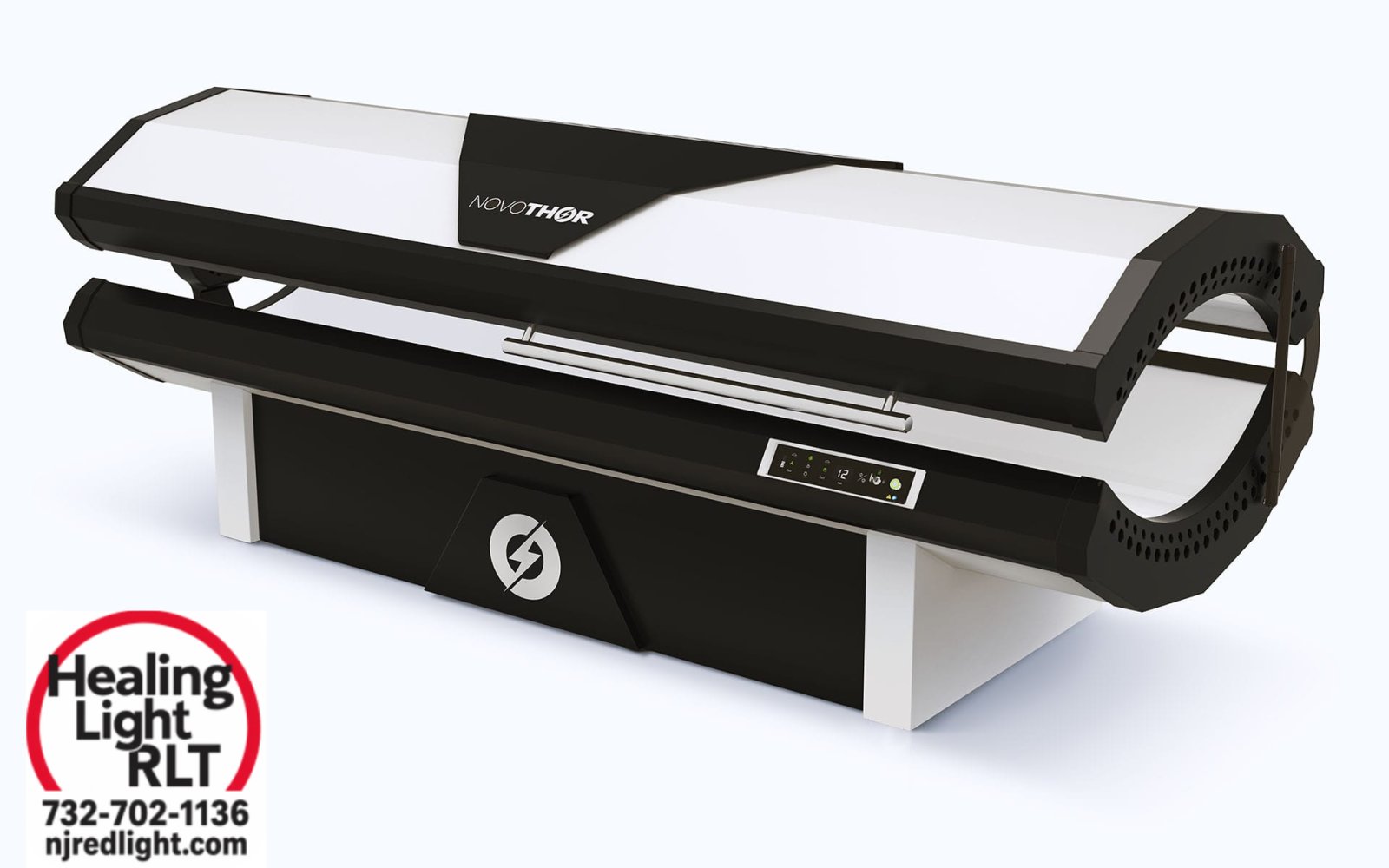
Sessions are cumulative, not one and done. Being hydrated before and after your session is beneficial. You do not need a doctor for a consultation or to operate the NovoTHOR whole body red light bed.
For more articles, visit the Healing Light RLT blog and the main site at healing-light-rlt-llc.square.site.
#redlighttherapy #novothor #longevity #monmouthcountynj #healinglightrlt #wellness #photobiomodulation #medicalgraderedlight
Arthritis management rewards patience and good records.
Frequently Asked Questions
What should I include in an arthritis symptom journal?
Record the date, specific joints affected, pain severity on a 0-10 scale, and morning stiffness duration. Note fatigue, mood, sleep quality, daily activities, and any medication timing or response. Include possible triggers like weather, stress, or diet. This combination helps you and your care team spot patterns that a simple pain score misses.
How do I track arthritis pain and flare-ups?
Log daily during a flare, noting when it started, which joints are involved, severity, and how long it lasts. Outside flares, a quick daily entry still helps establish your baseline. Use a joint pain log template with a flare section so you can compare flare frequency and duration over weeks, not just single days.
Is it better to track arthritis symptoms daily or weekly?
Daily tracking gives the clearest picture of symptom changes, morning stiffness, and medication response. Weekly summaries work as a review, not a replacement. A short daily entry takes a few minutes; once a week, review your arthritis symptom tracking journal template to spot patterns before your appointment.
Can a symptom journal help identify arthritis triggers?
Yes. Consistent entries let you compare symptoms against sleep, stress, weather, diet, and activity. Patterns emerge over weeks, not days. Bring your journal to your appointment so your care team can review possible triggers with you. A journal supports, but does not replace, medical advice.
