
blog
Best Red Light Therapy for Deep Tissue: Science-Backed Relief
By Editorial Team , Content Writer · · 14 min read
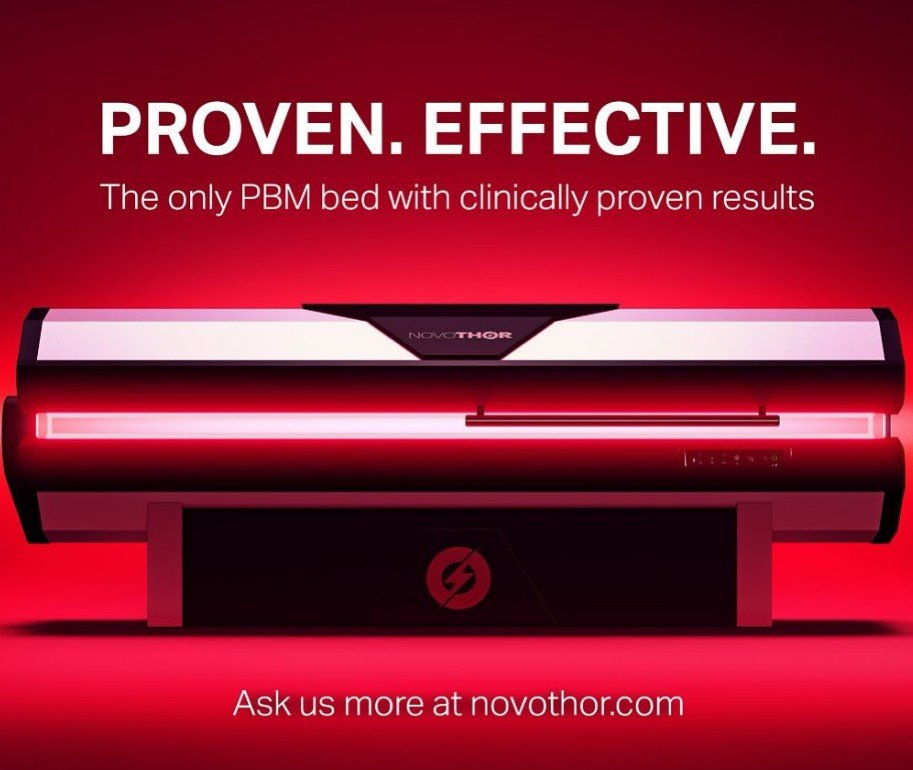
Table of Contents
- What Makes Red Light Therapy Effective for Deep Tissue
- Near-Infrared Light Therapy for Deep Muscle Pain Relief
- Red Light Therapy for Injury Recovery: How Healing Accelerates
- Red Light Therapy for Muscle Recovery: Beyond Surface-Level Treatment
- Whole-Body Red Light Therapy: Complete Treatment with NovoTHOR Technology
- What to Know Before Starting Red Light Therapy for Deep Tissue
- Getting Started: Your First Consultation and Session
- Frequently Asked Questions
Last Updated: October 18, 2026
What Makes Red Light Therapy Effective for Deep Tissue
Red light therapy has emerged as a science-backed approach to treating deep tissue pain and accelerating muscle recovery. Unlike surface-level treatments, the best red light therapy for deep tissue penetrates beyond the skin to stimulate cellular function where it matters most. The depth of penetration depends on wavelength, light intensity, and consistent application over time.
The mechanism is rooted in how light interacts with mitochondria. Specific wavelengths of red and near-infrared light stimulate the production of ATP (adenosine triphosphate), the energy currency of cells. This cellular energy boost accelerates tissue repair, reduces inflammation, and improves circulation to damaged or overworked muscle groups.
How Red and Near-Infrared Light Penetrate Muscle and Tissue
Red light (typically 600-700 nanometers) and near-infrared light (typically 700-1100 nanometers) behave differently as they travel through tissue. Red light penetrates the skin and superficial layers effectively, making it useful for skin health and surface-level inflammation.
The combination of both wavelengths creates what many practitioners call the "therapeutic window." Red light handles surface inflammation while near-infrared reaches the deep structures where chronic pain often originates.
Penetration depth also depends on tissue composition. Muscle tissue is more transparent to these wavelengths than bone or fat, which means light reaches working muscles more effectively than it reaches structures beneath them.
Why Wavelength and Light Penetration Matter for Deep Tissue Healing
Not all red light therapy devices are equal. The specific wavelengths matter because different nanometer ranges interact with tissue differently. Research into photobiomodulation (the science of light-based cellular stimulation) shows that wavelengths between 660 nanometers and 1064 nanometers produce measurable effects on mitochondrial function and inflammation markers.
The intensity of the light, measured as irradiance (power per unit area), also determines effectiveness. A weak LED panel produces light but may not generate enough energy to stimulate deep tissue.
Consistency and accumulation are equally critical. Single sessions produce temporary effects. Deep tissue healing requires repeated exposure, allowing cells to adapt and repair progressively.
Near-Infrared Light Therapy for Deep Muscle Pain Relief
Near-infrared light therapy for deep muscle pain relief operates on the principle that longer wavelengths penetrate deeper. When you experience muscle pain from injury, overuse, or chronic conditions like arthritis, the damage isn't always at the surface.
Near-infrared wavelengths (typically 800-1064 nanometers) reach these deeper structures. They stimulate mitochondrial function in muscle cells that surface treatments cannot effectively reach.
Many athletes and individuals with chronic pain report that near-infrared therapy produces more noticeable relief than red light alone. The best red light therapy for deep tissue combines both wavelengths, but near-infrared carries most of the heavy lifting for deep muscle pain.
Red Light Therapy for Injury Recovery: How Healing Accelerates
When tissue is damaged, whether from a sports injury, surgery, or repetitive strain, the body initiates a complex repair cascade. Red light therapy for injury recovery works by optimizing this natural process at the cellular level.
Inflammation Reduction and Cellular Repair
Inflammation is necessary for healing, but excessive inflammation delays recovery and increases pain. Red and near-infrared light modulate the inflammatory response by reducing pro-inflammatory cytokines and promoting anti-inflammatory signaling. This doesn't stop healing; it prevents the inflammation from becoming counterproductive.
Simultaneously, light therapy stimulates fibroblasts and other repair cells to work more efficiently. Collagen synthesis accelerates, which is why the best red light therapy for deep tissue helps with ligament and tendon injuries that rely on collagen remodeling. Muscle protein synthesis also increases, supporting faster muscle recovery after injury or intense training.
Circulation and Tissue Oxygenation
Injured tissue becomes hypoxic, starved of oxygen, because blood flow is disrupted by swelling and damaged capillaries. Red and near-infrared light stimulate the production of nitric oxide, a signaling molecule that dilates blood vessels and improves circulation. Better blood flow means more oxygen and nutrients reach the damaged area, accelerating repair.
This improved circulation also helps clear metabolic waste products that accumulate in injured tissue. The combination of increased oxygen delivery and waste removal creates an environment where healing happens faster and more completely.
Red Light Therapy for Muscle Recovery: Beyond Surface-Level Treatment
Red light therapy for muscle recovery goes beyond simple pain relief. It addresses the underlying cellular and physiological factors that determine how quickly muscles rebuild and adapt after stress.
Muscle recovery involves three overlapping processes: reducing inflammation, repairing damaged muscle fibers, and synthesizing new protein. Red and near-infrared light accelerates all three. Athletes using the best red light therapy for deep tissue report faster recovery between training sessions, reduced delayed-onset muscle soreness (DOMS), and improved performance metrics.
The depth of penetration matters here too. Surface light therapy might reduce soreness in the outer muscle layers, but deep muscle fibers, where most of the damage from intense training occurs, require near-infrared penetration.
Whole-Body Red Light Therapy: Complete Treatment with NovoTHOR Technology
Whole-body red light therapy represents the most comprehensive approach to deep tissue healing and systemic recovery. Rather than targeting one problem area, a whole body red light therapy bed treats your entire body simultaneously, allowing the therapeutic benefits to accumulate across all muscle groups, joints, and connective tissues.
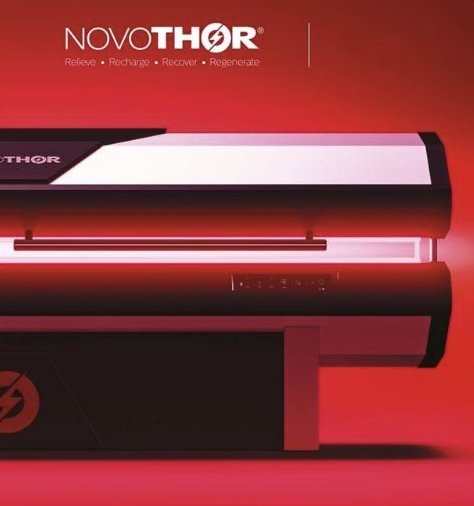
NovoTHOR9 @ Healing Light Red Light Therapy in Howell, NJ
Why Whole-Body Treatment Outperforms Targeted Devices
Targeted devices address specific problem areas, but they miss the systemic benefits of comprehensive light exposure. Your circulatory system, lymphatic system, and nervous system all respond to light therapy. When you treat your whole body, you optimize recovery across all these systems simultaneously.
The NovoTHOR whole body red light therapy bed delivers consistent wavelengths (660 nanometers red light combined with near-infrared light) across your entire body in a single session. This consistency matters.
Whole-body treatment also addresses pain and dysfunction you might not have consciously noticed. This is why athletes and individuals with chronic pain often report feeling better overall after whole-body sessions, not just relief in their target area.
FDA-Approved, Medical-Grade, USA-Manufactured Quality
The NovoTHOR whole body red light therapy bed is FDA-cleared and manufactured in the USA to medical-grade standards. This distinction matters because it means the device has undergone rigorous testing for safety and efficacy. The wavelengths are precisely calibrated, the irradiance is consistent, and the engineering is built to deliver therapeutic results reliably.
Not all red light therapy equipment meets these standards. Many consumer devices make claims without the scientific backing or regulatory approval. The best red light therapy for deep tissue comes from devices that have been tested and cleared by regulatory bodies, ensuring you're receiving a legitimate therapeutic tool, not marketing hype.
Sessions Are Accumulative: Building Results Over Time
A single session produces immediate effects, improved circulation, reduced pain, enhanced cellular energy. But lasting change requires consistency. Red light therapy sessions are accumulative, meaning each session builds on the previous one.
This is fundamentally different from treatments sold as "one-time fixes." Deep tissue healing requires repeated stimulation of mitochondrial function and sustained improvement in circulation and cellular repair. Most individuals begin noticing meaningful changes after consistent sessions, with continued improvement over weeks and months of regular therapy.
The accumulative nature is why scheduling regular appointments matters more than spacing out occasional sessions. Consistency allows your body to establish the metabolic and circulatory adaptations that produce lasting results.
What to Know Before Starting Red Light Therapy for Deep Tissue
Before beginning any new therapeutic approach, understanding the fundamentals ensures you get the best results and avoid potential pitfalls.
Safety, Contraindications, and When to Consult a Professional
Red and near-infrared light therapy is generally safe for most people. The wavelengths used in therapeutic devices don't damage tissue the way UV light does. However, certain conditions warrant caution or professional guidance.
Individuals taking photosensitizing medications (some antibiotics, anti-inflammatory drugs, and others) should consult their healthcare provider before beginning light therapy. Uncontrolled thyroid conditions, active cancer, or recent eye surgery may require medical clearance. Pregnancy doesn't contraindicate light therapy, but consultation with your obstetrician is prudent.
If you have significant pain or dysfunction, starting with a professional consultation ensures the therapy addresses your specific condition appropriately.
Hydration and Preparation for Optimal Results
Hydration before your session and after is beneficial for maximizing therapeutic effects. Well-hydrated tissue conducts light more effectively, and proper hydration supports the metabolic processes that light therapy triggers. Drink water in the hours before your appointment and continue hydrating afterward.
Avoid heavy meals immediately before your session. Light exercise or gentle movement can enhance circulation before therapy, preparing your tissues to respond optimally. Wear comfortable clothing that allows easy positioning in the bed.
Getting Started: Your First Consultation and Session
Beginning whole body red light therapy for deep tissue starts with understanding your specific needs and goals. The best red light therapy for deep tissue is personalized to your condition, not one-size-fits-all.
Schedule a consultation with our team at Whole Body Red Light Therapy, NovoTHOrR Healing.
After your first session, you'll begin scheduling regular appointments. Most individuals benefit from regular sessions initially, with adjustments based on your response and goals.
Contact us to book your first appointment.
Deep tissue pain and slow recovery don't have to be permanent. The NovoTHOR whole body red light therapy bed offers a science-backed, FDA-cleared approach to accelerating healing and reducing inflammation at the cellular level.
Frequently Asked Questions
Can red light therapy actually repair deep tissue damage?
Red light therapy and near-infrared light work at the cellular level to support tissue repair by stimulating mitochondrial function and increasing energy production. This process encourages the body's natural healing response. While red light therapy for deep tissue has shown promise in supporting recovery from injury and chronic pain, results depend on consistency. Red light therapy sessions are accumulative—one session alone won't produce lasting change. Most people benefit from multiple treatments over time. Consult with a professional to determine if whole-body red light therapy is appropriate for your specific condition.
How deep can red and near-infrared light actually penetrate muscle?
Red light (600-700 nm) penetrates skin and shallow tissue, while near-infrared light (700-1100 nm) reaches deeper into muscle and joint structures. The NovoTHOR whole-body red light therapy bed combines both wavelengths to deliver therapeutic light to multiple tissue layers. However, penetration depends on tissue density, skin tone, and light intensity. Whole-body red light therapy ensures consistent energy delivery across the entire body rather than targeting isolated areas, making it more effective for deep muscle pain and systemic recovery.
How many red light therapy sessions do I need before I notice results?
Red light therapy sessions are accumulative, meaning benefits build over repeated treatments rather than appearing after a single session. Some people report feeling better after a few sessions, while others need more sessions to notice significant changes in pain, inflammation, or recovery speed. The timeline varies based on your condition, age, and overall health. Since red light therapy is not regulated, claims vary widely—this is why working with a science-backed provider like NovoTHOR is important. Book a consultation to discuss realistic expectations for your situation.
Is red light therapy safe, and are there people who shouldn't use it?
Whole-body red light therapy delivered through FDA-approved, medical-grade equipment is generally safe for most people. However, certain conditions—such as active cancer, photosensitivity, or specific medications—may require medical clearance. Staying hydrated before and after your session supports your body's response to treatment. Because individual health circumstances vary, scheduling a consultation with a professional ensures the therapy is appropriate for you. Your first visit allows a trained specialist to assess your needs and answer safety questions specific to your health history.