
how-to
Red Light Therapy for Muscle Recovery: What Works
By Editorial Team , Content Writer · · 15 min read
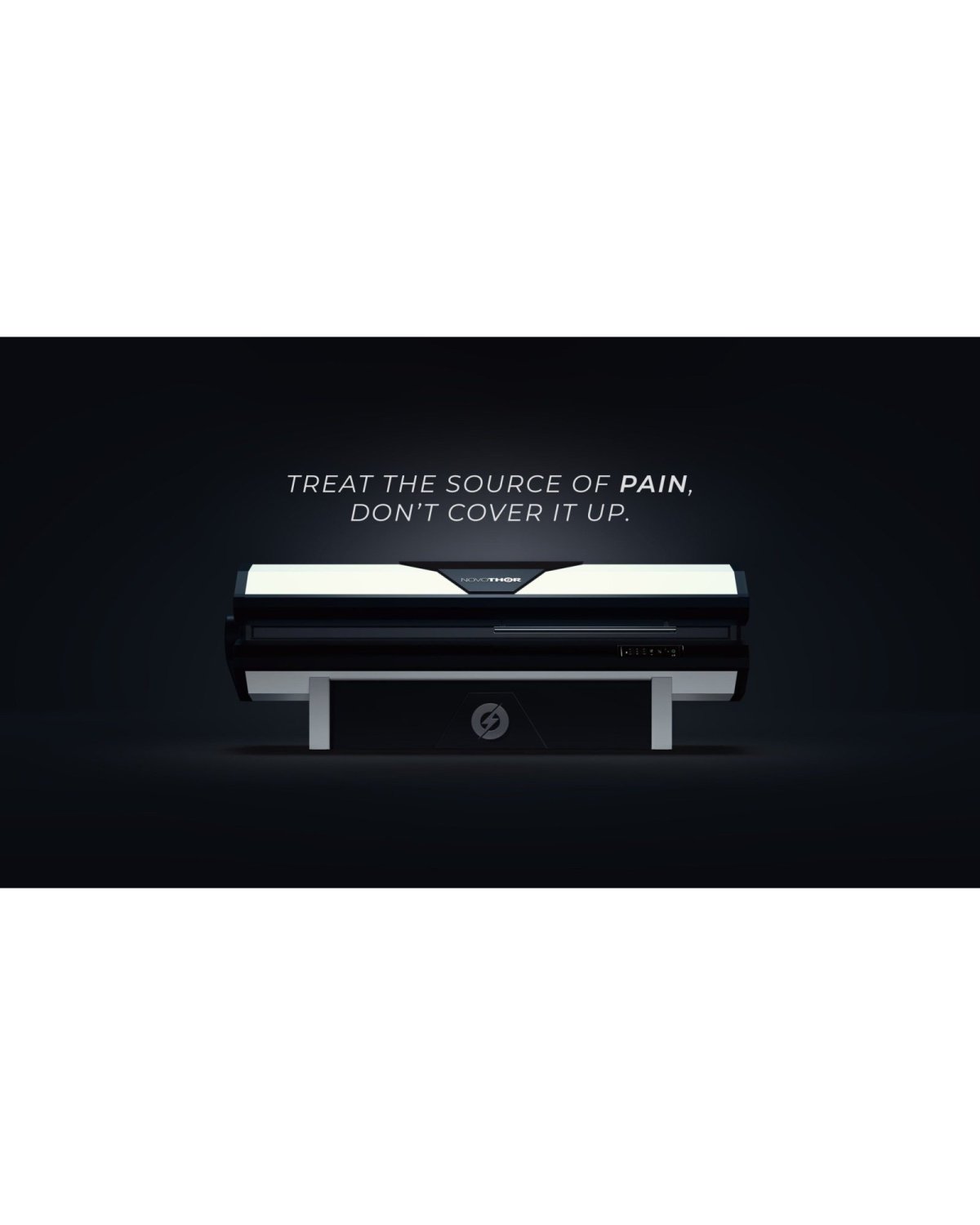
Table of Contents
- How Red Light Therapy for Muscle Recovery Works
- Red Light Therapy for Muscle Soreness and DOMS
- Using Red Light Therapy After Workout: A Step-by-Step Protocol
- Red Light Therapy Muscle Recovery Research: What the Evidence Shows
- Red Light Therapy for Injury Recovery: Strains and Microtears
- How Whole Body Red Light Therapy Compares to Other Recovery Methods
- Safety, Evidence Limits, and Who Should Seek Medical Advice
- Frequently Asked Questions
Last Updated: October 21, 2026
How Red Light Therapy for Muscle Recovery Works
Red light therapy for muscle recovery is a non-invasive treatment that uses red and near-infrared light to help your body repair muscle tissue after exercise.
Here is the key point most people miss: this is not a one-and-done session. Light therapy is cumulative.
The NovoTHOR bed combines red light and infrared light. It is FDA-cleared, medical grade, and made in the USA.
Cellular Energy, Mitochondria, and ATP Production
Photobiomodulation is the process where light energy is absorbed by cells and supports their normal function. When red and near-infrared light reaches your mitochondria, it supports ATP production (adenosine triphosphate), the energy currency your muscles burn during a workout and need again to rebuild.
Circulation, Oxygen Flow, and the Inflammatory Response
Muscle repair depends on blood flow. Light therapy supports circulation and oxygen flow to working tissue and interacts with the inflammatory response that follows hard training. Some inflammation is useful, it signals your body to repair exercise-induced microtears. The goal is not to shut it off but to keep healing moving efficiently.
Red Light Therapy for Muscle Soreness and DOMS
Delayed-onset muscle soreness, or DOMS, is the stiffness and ache that shows up a day or two after hard training. Red light therapy for muscle soreness is one of the most common reasons people book a session.
The treatment is non-invasive and drug-free. You lie in the bed in comfortable clothing, and the light does the work, no needles, no creams, no downtime.
A common mistake is waiting until soreness peaks to book. Earlier is better: light therapy works best as part of a routine, applied close to the workout and repeated across the week, not as an emergency fix.
Using Red Light Therapy After Workout: A Step-by-Step Protocol
Here is how we would structure red light therapy after workout sessions for muscle recovery. This is a general framework, not a prescription, your actual plan depends on your body, training, and goals, which is why we ask you to book a consultation first.
- Hydrate before you arrive. Drink water in the hour before your session.
- Train, then treat. Schedule your session close to the end of your workout when possible.
- Undress to your comfort level. The whole body bed treats the entire body, so more exposed skin means more light exposure.
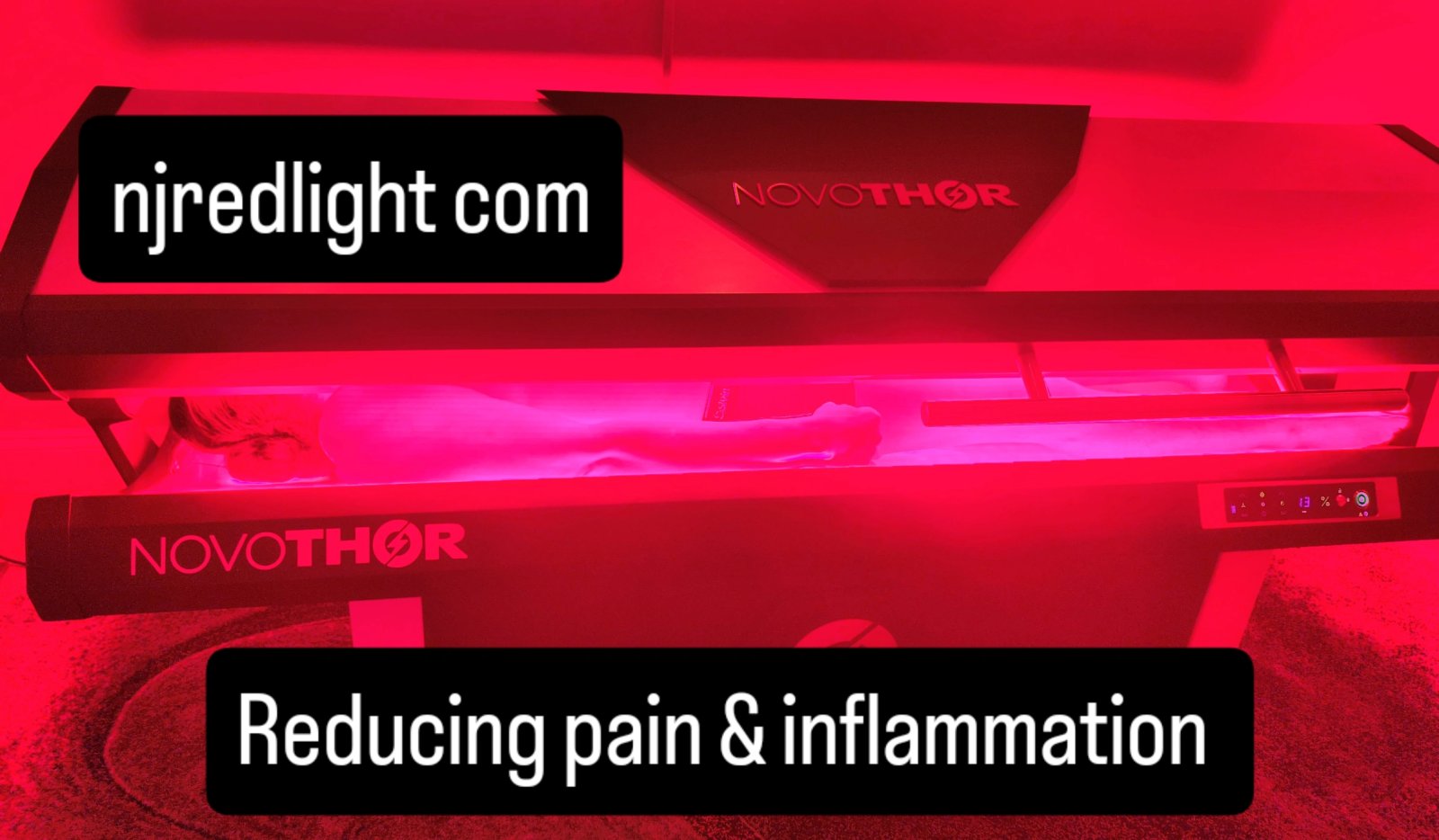
- Relax in the bed for your session. Staff guide you on positioning and timing.
- Hydrate again afterward. Replace fluids and support circulation.
- Repeat across the week. Consistency is what produces the cumulative effect.
- Track how you feel. Note soreness, stiffness, and recovery time so you can see the trend.
Timing, Hydration, and Consistency
Timing matters less than consistency. A session right after training is convenient, but showing up regularly matters more. Light therapy is cumulative, so a steady schedule beats occasional long gaps.
Hydration is the easiest lever you control. Water before and after supports circulation and oxygen flow, which is how the benefits reach your muscles.
| Step | What to Do | Why It Matters |
|---|---|---|
| Before | Drink water | Supports circulation |
| Session | Use the whole body bed | Treats the entire body at once |
| After | Hydrate again | Aids recovery and oxygen flow |
| Weekly | Keep a steady schedule | Effects are cumulative |
| Review | Track soreness and recovery | Shows whether it is helping |
Red Light Therapy Muscle Recovery Research: What the Evidence Shows
Red light therapy muscle recovery research is growing but not settled. That honesty matters, because red light therapy is not yet regulated, so anyone can claim anything. Here is a plain-language read of what the research supports, where it is thin, and why smart people can disagree.
What Researchers Actually Measure
Studies on photobiomodulation and muscle recovery tend to look at a handful of outcomes. Knowing them helps you read headlines critically:
Schedule an Appointment today! →
- Perceived soreness, usually scored on a 1-10 scale or a visual analog scale, often 24 to 72 hours after exercise.
- Creatine kinase (CK), a blood marker that rises after muscle damage and is used as a proxy for exercise-induced microtears.
- Muscle strength and power, measured with dynamometers or jump tests before and after a training bout.
A study that shows less soreness is not the same as a study that shows faster tissue repair. Both are useful, but they answer different questions.
Why Findings Conflict
It is common to see one study report a clear benefit and another a smaller or mixed effect. That is not necessarily bad science. A few well-known reasons explain most of the disagreement:
- Different devices. Wavelength mix, power output, and whether the device treats a small area or the whole body vary widely. A study on a localized handheld device does not automatically transfer to a whole body bed, and vice versa.
- Different timing. Some protocols apply light before exercise, some immediately after, and some hours later.
- Different populations. Trained athletes, recreational lifters, and untrained adults do not respond identically.
How to Grade the Evidence Yourself
When you see a claim about red light therapy and muscle recovery, ask four questions:
- Was it a randomized controlled trial? If not, treat it as a hint, not proof.
- How many people? Larger studies carry more weight than small ones.
- What device and what protocol? A result only means something for the device and routine that produced it.
- What outcome was measured? Soreness, strength, and blood markers are not interchangeable.
Most practitioners find the strongest, most consistent signals are for reduced perceived soreness and improved subjective recovery in the days after exercise. Signals for faster tissue repair and measurable performance gains are promising but less consistent. Anyone who says the science is closed is overselling; anyone who says there is nothing there is ignoring a real body of work.
Where the NovoTHOR Bed Fits
The NovoTHOR bed is a whole body red light therapy bed that combines red light and infrared light, is FDA-cleared, medical grade, and made in the USA. That matters in a market where red light therapy is not yet regulated and providers can make claims without evidence. Ours is backed by science, and we are honest about what that science does and does not show.
If you want to talk through what the research means for your training and recovery, contact us to make an appointment for a consultation, or book a first visit for just $35. We will review your history and help you decide whether whole body red light therapy with red light and infrared light fits your routine.
Red Light Therapy for Injury Recovery: Strains and Microtears
Red light therapy for injury recovery is where the tissue repair story gets concrete. Hard training creates exercise-induced microtears in muscle fibers.
The healing process follows a predictable path: inflammation, repair, and remodeling. Light therapy supports cellular repair and tissue regeneration at each stage by supporting mitochondrial function and circulation.
This is not a substitute for medical care. A serious strain needs a proper diagnosis.
How Whole Body Red Light Therapy Compares to Other Recovery Methods
Whole body red light therapy with red light and infrared light is different from most recovery tools because it treats the entire body in one session. The useful question is not which method wins, but how whole body red light therapy fits alongside the methods you already use.
A Framework: What Each Method Actually Does
Recovery methods work through different mechanisms. Sorting them that way makes the comparison clearer:
- Cold exposure (ice baths, cold plunges): applies cold stress to the whole body. Useful after some training, but the timing debate is ongoing, and some evidence suggests it can blunt certain training adaptations if used immediately after strength work.
- Massage guns and percussion: apply mechanical pressure to a specific muscle, one spot at a time. Good for localized tightness.
- Foam rolling: manual, self-applied pressure. Useful for tight tissue, but localized and effort-dependent.
Most recovery tools are either localized or systemic-but-stressful. Whole body red light therapy is systemic and non-stressful, so it sits alongside the others rather than competing with them.
How to Combine Them Without Overlapping
A common pattern among active adults looks like this:
Schedule an Appointment today! →
- Sleep and nutrition first. These are the foundation. If they are poor, no tool compensates.
- Active recovery on easy days. Light movement supports circulation.
- Localized tools for localized problems. A massage gun or foam roller for a specific tight spot.
The NovoTHOR bed does not compare to other beds or other red light therapy. It is a medical-grade, FDA-cleared, whole body device made in the USA, and it treats you head to toe in a single session. That is why it complements rather than replaces the methods above.
When Another Method Should Lead
Whole body red light therapy is a recovery support, not a treatment for injury. If you have a serious strain, sharp pain, swelling that is not resolving, or pain that persists beyond a few days, get a proper diagnosis first. For everyday training wear and tear, light therapy fits naturally into a recovery routine alongside rest, protein, and sleep.
If you are not sure where whole body red light therapy fits in your current routine, contact us to make an appointment for a consultation, or book a first visit for just $35. We will help you build a plan that works with the methods you already use.
Safety, Evidence Limits, and Who Should Seek Medical Advice
Red light therapy is generally well tolerated, and the NovoTHOR bed is FDA-cleared.
Talk to a doctor before booking if you:
- Are pregnant
- Take photosensitizing medication
- Have a history of skin cancer
The evidence has limits, and we will not pretend otherwise. If you have a serious injury, get a diagnosis first.
If you are unsure, book a consultation. We will review your history and tell you honestly whether this is right for you.
Muscle recovery is not a one-time fix, and neither is light therapy.
Frequently Asked Questions
Does red light therapy work for muscle recovery?
Research suggests whole body red light therapy with red and infrared light can support muscle recovery by influencing cellular energy, circulation, and the inflammatory response. Studies on post-exercise recovery show mixed but promising results, particularly for reducing soreness and supporting tissue repair. Results depend on the device, the individual, and consistency of use. At our clinic, we use the NovoTHOR whole body red light therapy bed, an FDA-approved, medical-grade device made in the USA, and we recommend a consultation to determine whether it fits your recovery goals.
When should you use red light therapy after exercise?
Many people use red light therapy after workout sessions, within a few hours of finishing, to support the body's natural recovery process. Some also schedule sessions on rest days. Because red light therapy sessions are cumulative rather than one and done, consistency matters more than any single session. Staying hydrated before and after each session is beneficial. Contact us to book a consultation or a first visit for $35 so we can help you plan a schedule that fits your training.
How often should you use red light therapy for muscle recovery?
Frequency depends on your training load, recovery goals, and how your body responds, which is why we discuss it during a consultation rather than publish a fixed schedule. What we can say is that results build over time: red light therapy sessions are cumulative, not a one-time fix. Many people incorporate sessions into their weekly routine alongside sleep, nutrition, and hydration. Book a first visit for $35 and we will help you set a realistic plan using the NovoTHOR whole body red light therapy bed.
Can red light therapy support recovery from a muscle injury?
Red light therapy for injury recovery is an area of active research, with studies examining its effects on tissue repair, inflammation, and pain after strains and exercise-induced microtears. It is non-invasive and drug-free, but it is not a substitute for medical diagnosis or care. If you have a significant injury, see a physician first. For general recovery support, contact us to schedule a consultation and learn whether whole body red light therapy with red and infrared light is appropriate for your situation.